Examples that cross several parts of Field
What happens when you connect things that weren't designed together? A cellular automaton becomes
a rhythm. A cloth simulation becomes a welded solid whose holes you can count, and then a render.
A photograph becomes a plaque you could print. A drawing becomes a score, then a .wav, and the
sound is taken apart again and laid over the drawing.
Each page here follows an idea through several parts of Field. Pick one that interests you and follow it as far as you like; the individual steps also lead to pages where you can learn more.
Each page also says what passes from one step to the next and what gets lost on the way.
Many of these documents are built by a short recorded script that starts from a blank canvas. The gallery lists them all, and you can open any of them from the welcome screen as an editable copy and start from there.
Ending in light
These chains end in the GPU path tracer, and each starts somewhere a renderer would not expect.
-
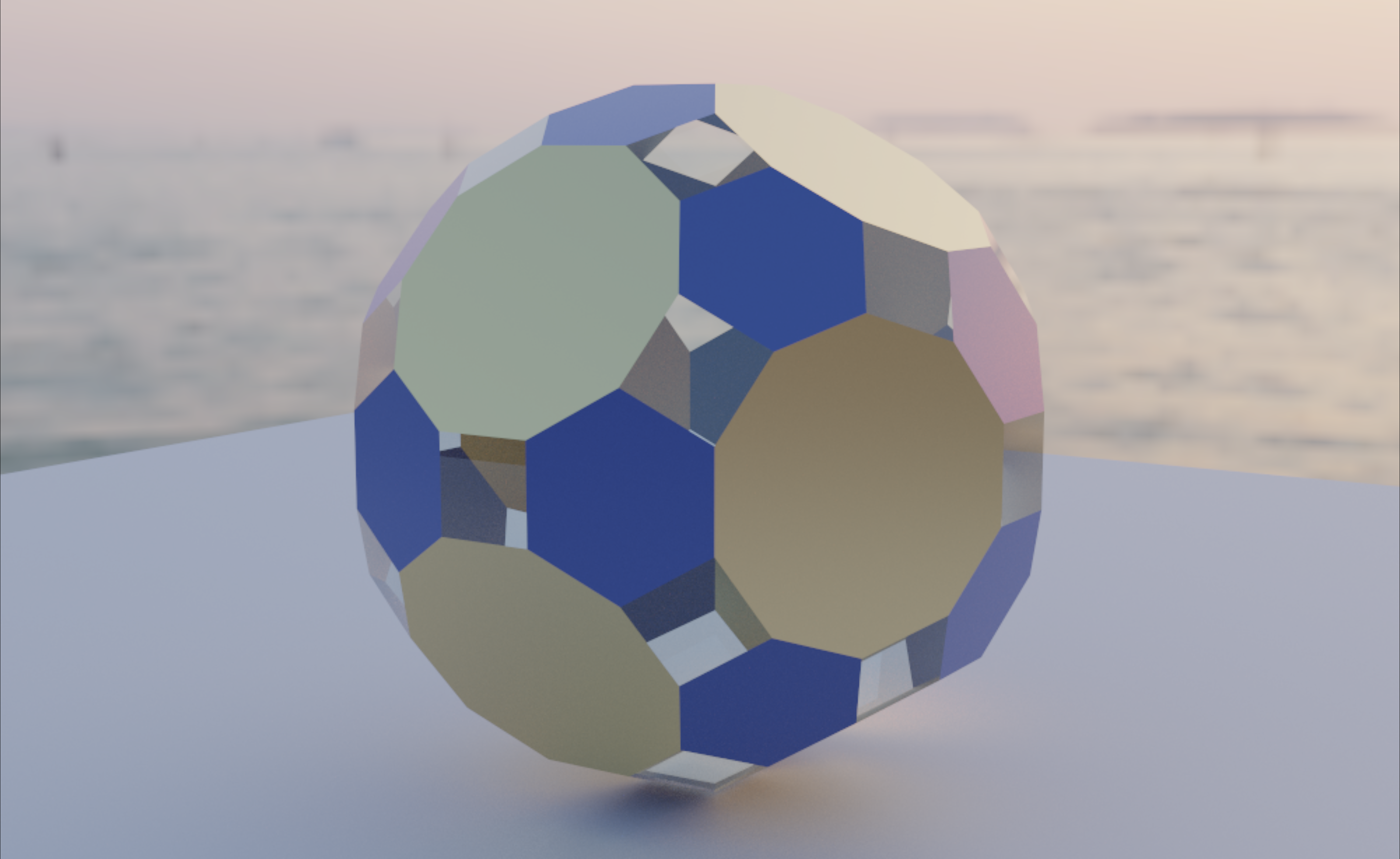
A Polytope, Cut Open and Traced. Conway operators, rules that grow a new polyhedron from an old one by cutting corners or adding faces, build the shape and remember where every face came from. The render colours each face by its origin; the page also follows what happens to that record when the solid is cut and joined.
-
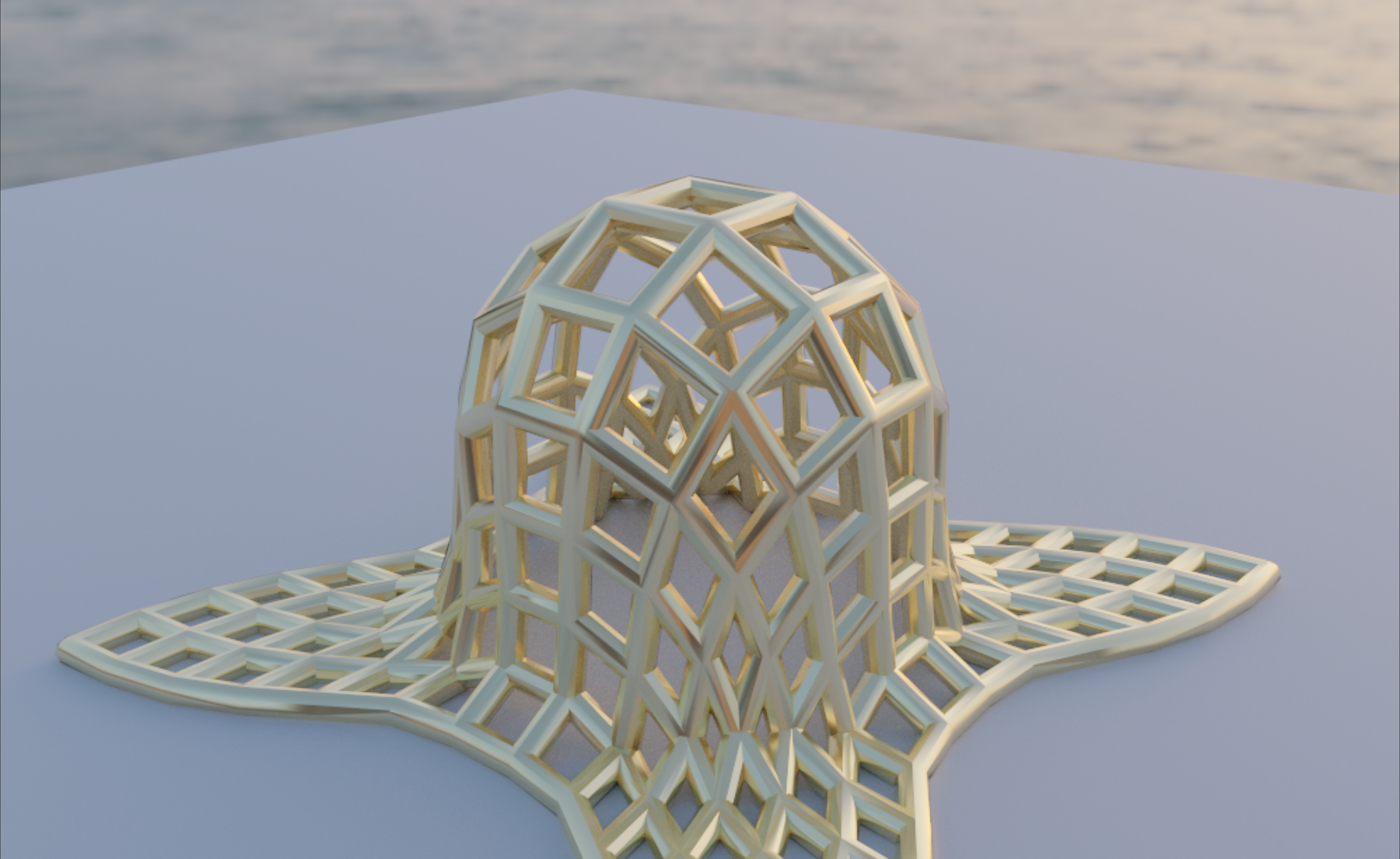
Particles, Welded and Traced. A cloth simulation becomes hundreds of capsules, and the capsules are welded into one solid whose holes you can count exactly.
-
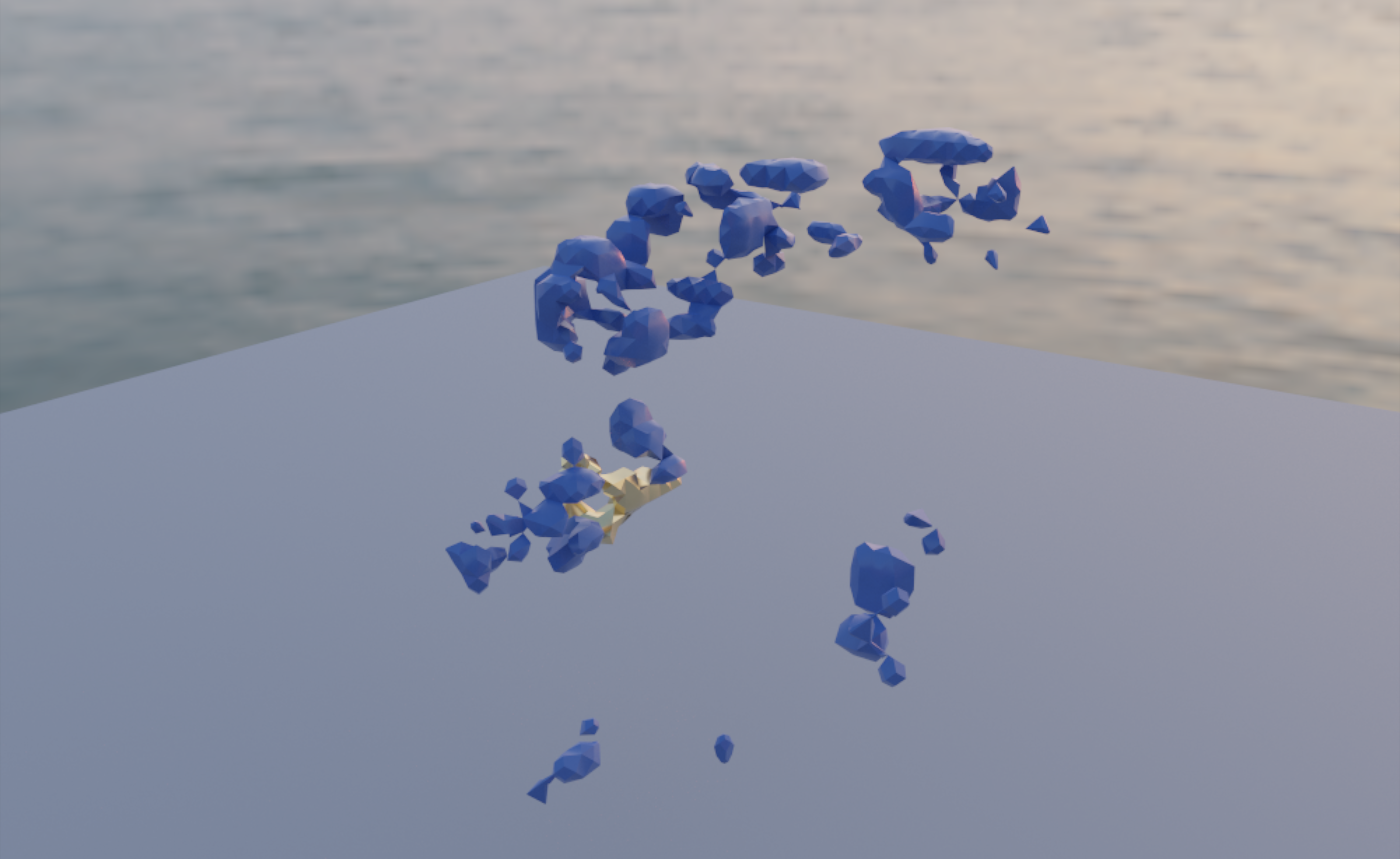
Three-Dimensional Life, Counted and Traced. The question you want to ask a 3D automaton is how many separate things are left. Here one call answers it.
-
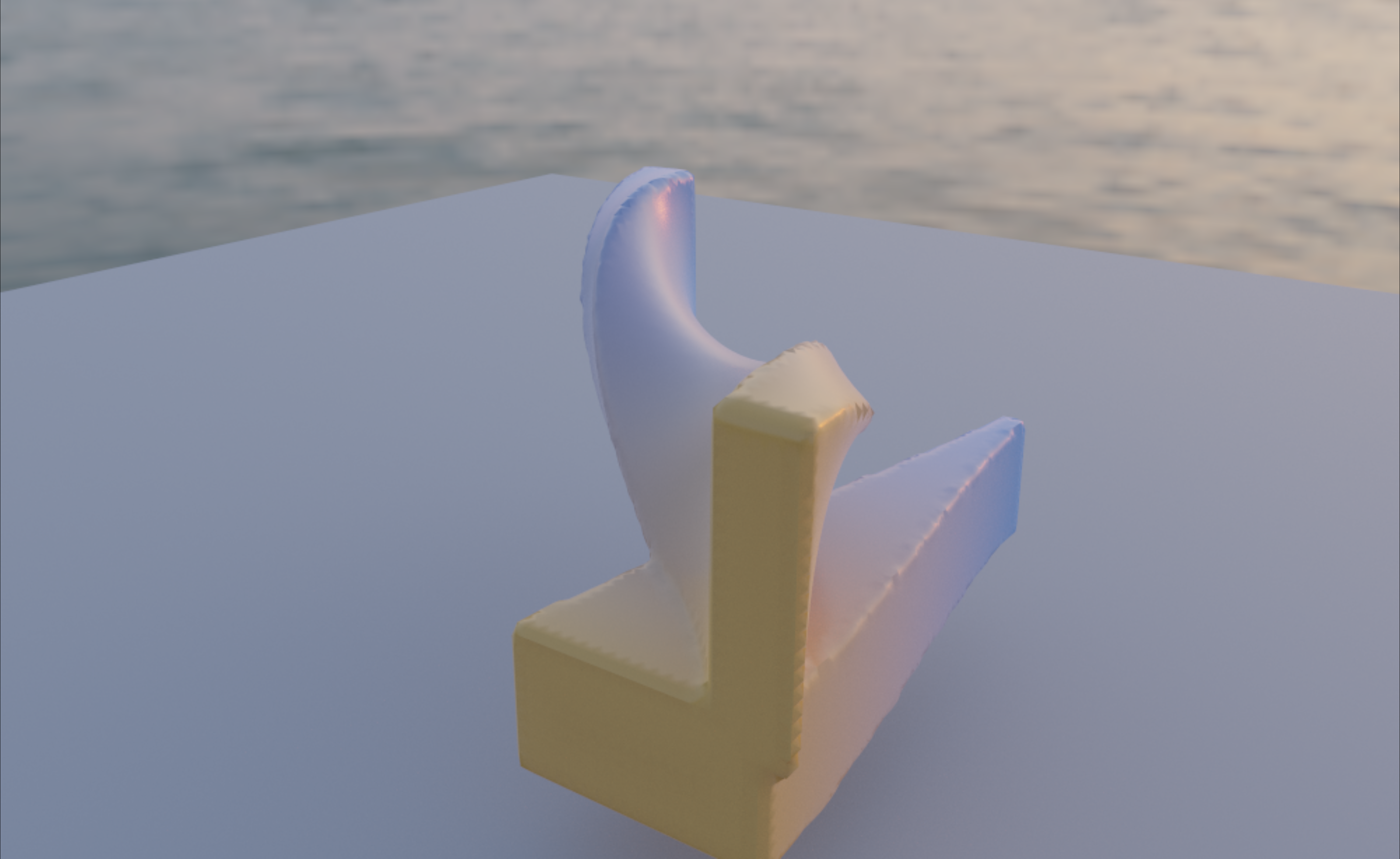
A RectSL Animation as a Solid. RectSL is Field's small language for 2D shapes. Read the time input of an animation's distance field as a third axis and the animation becomes a sculpture whose cross-sections are its frames.
-
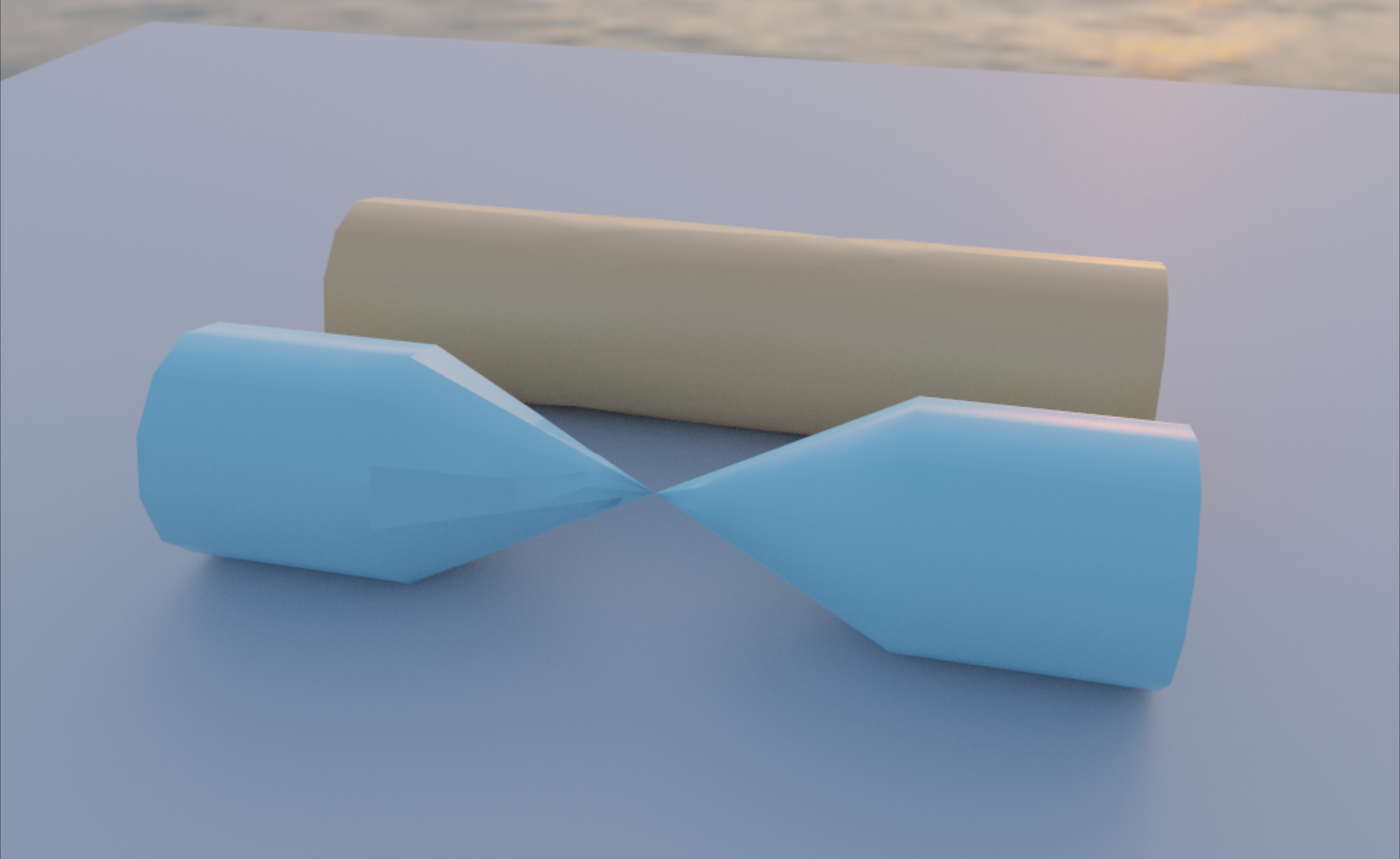
A Twisted Limb, Weighed and Traced. Linear blend skinning, the usual way a skeleton bends a mesh, squeezes a twisted joint into a candy wrapper. Turn the posed mesh into a solid to measure how much of the limb is lost.
-
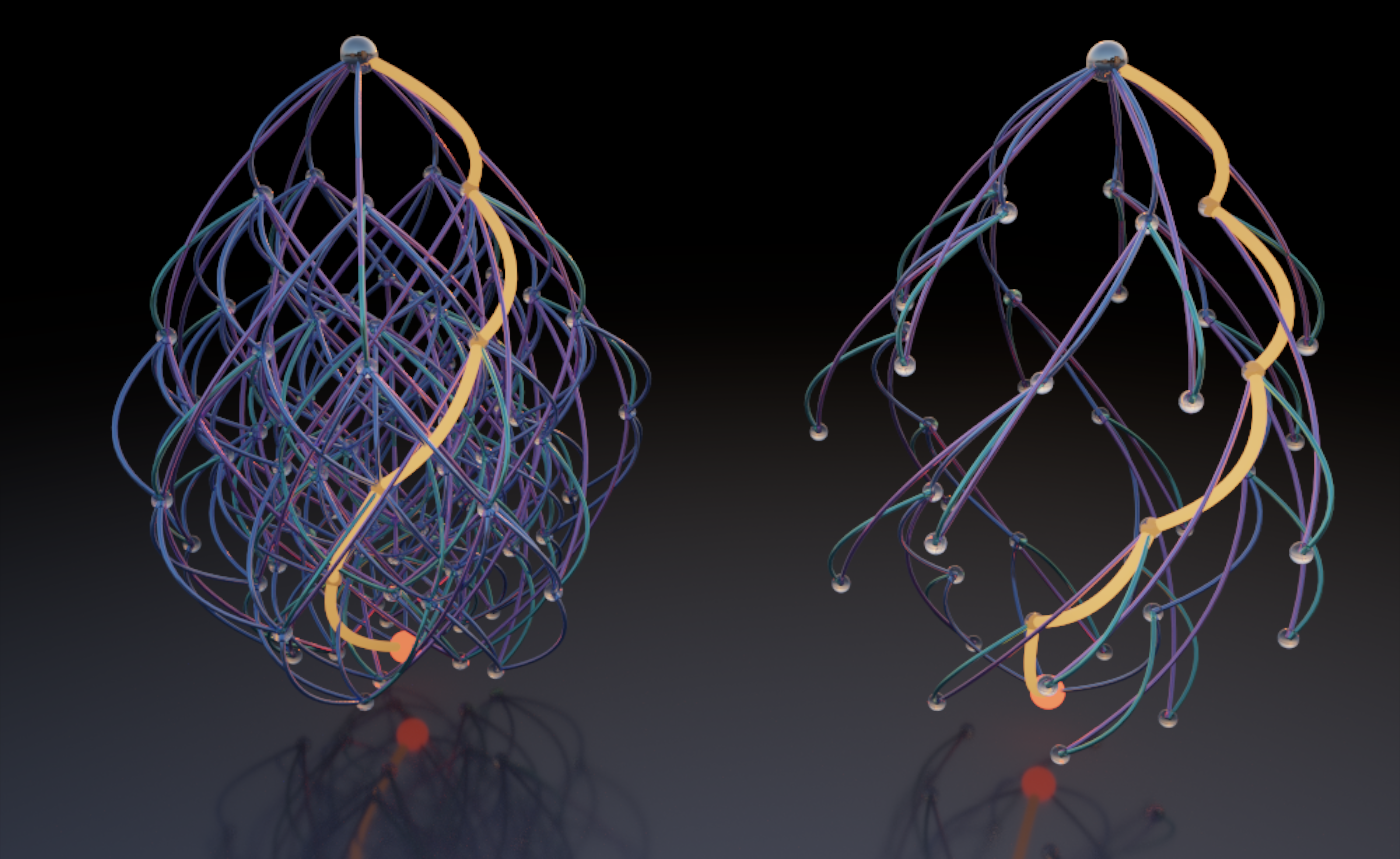
A Deadlock, Sculpted and Traced. Every marking the dining philosophers' Petri net (a model of tokens moving between places) can reach becomes a glass bead, every firing a tube, and the shortest route to the deadlock glows.
Ending in sound
These chains end in something you can listen to, or start from it.
-
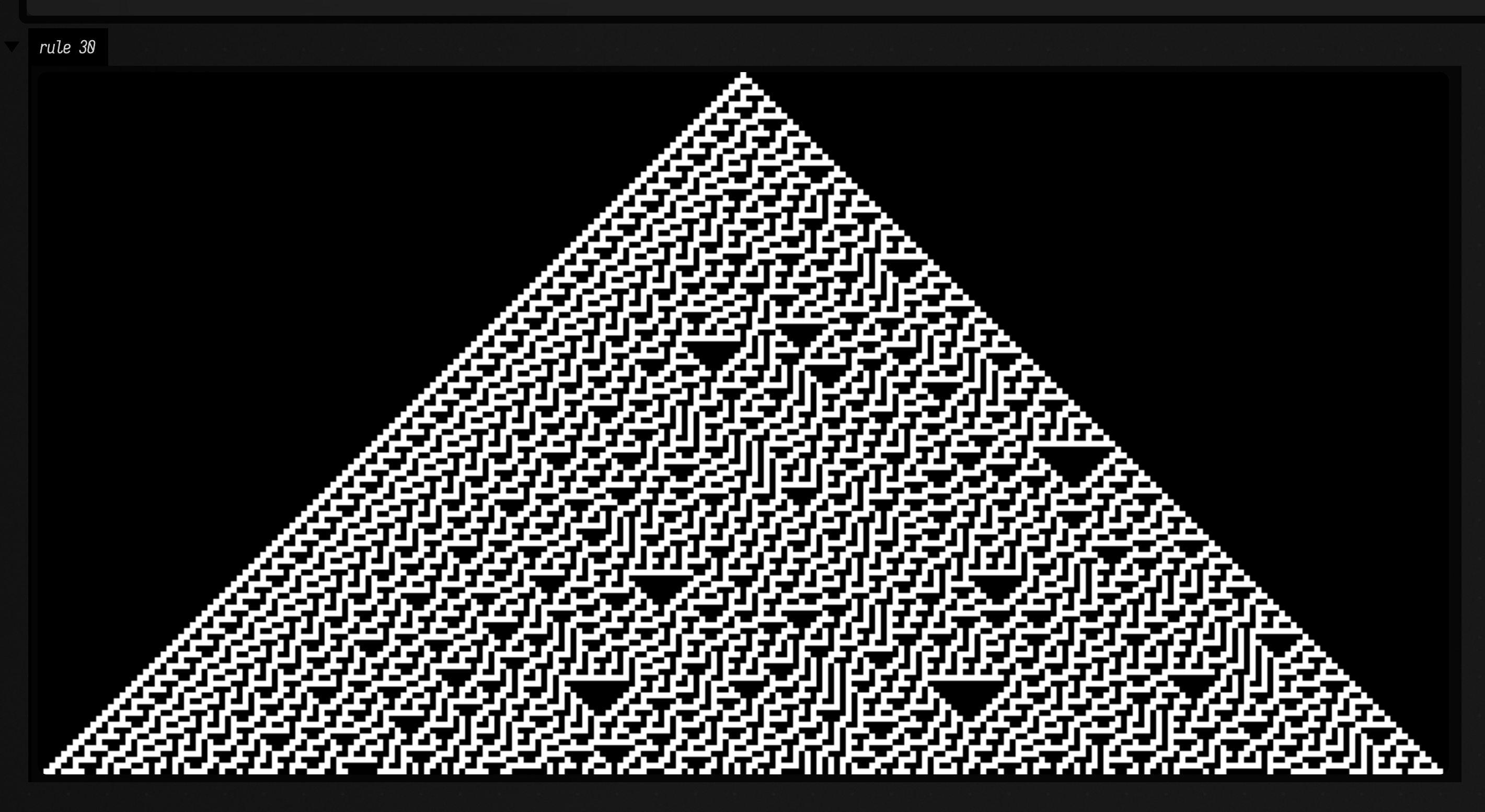
A Cellular Automaton You Can Hear. A row of an elementary cellular automaton, a line of on/off cells updated by a fixed rule, becomes a step mask.
patCondenseruns the pattern mini-notation (the short text syntax for rhythms that Field borrows from TidalCycles) backwards to spell it, and the length of the spelling gives you a way to compare the resulting rhythms. -
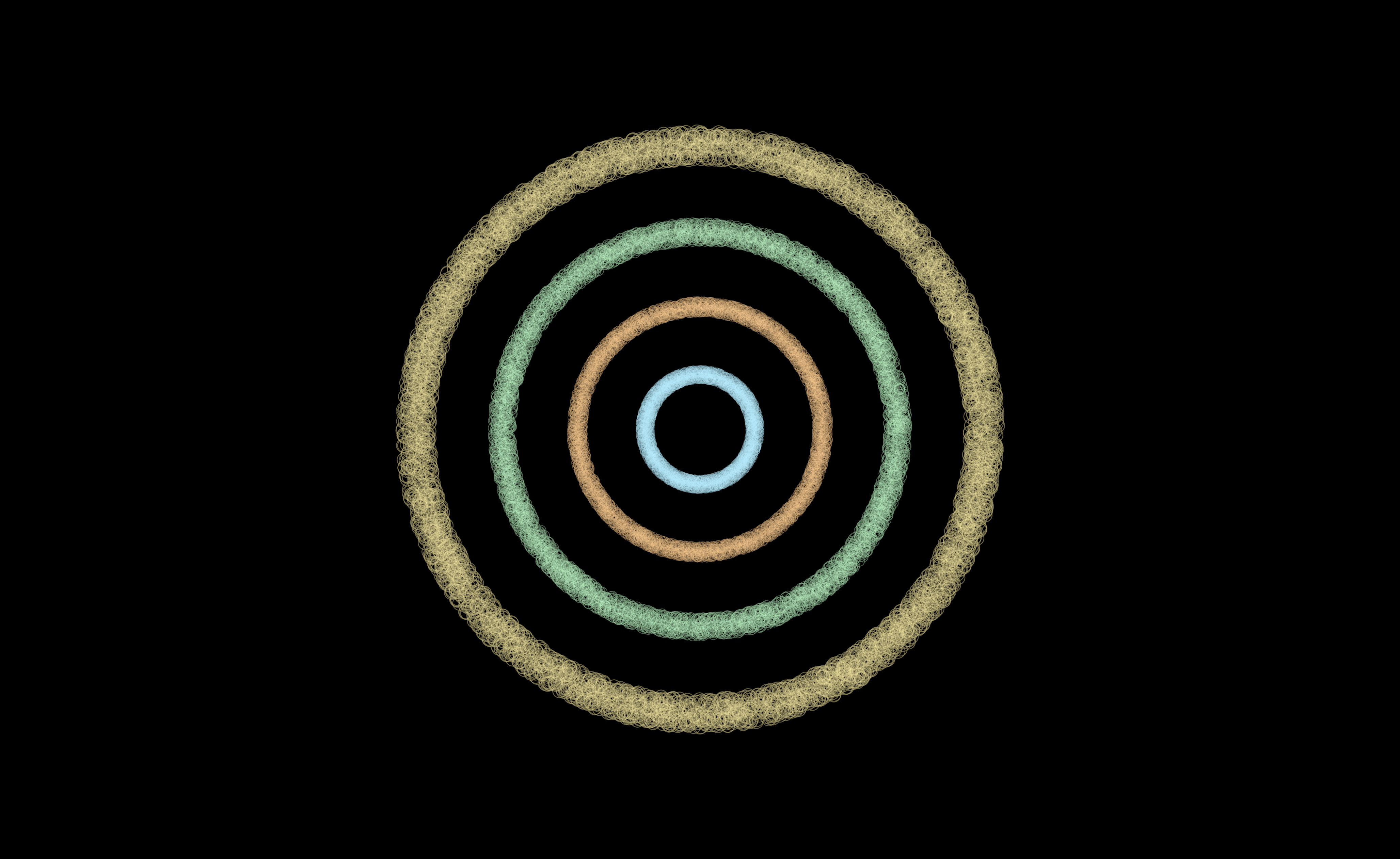
A Pattern That Moves Particles. The sound goes the other way here: a drum pattern is split into four bands, and those four numbers move 24,000 particles in a compute shader.
-
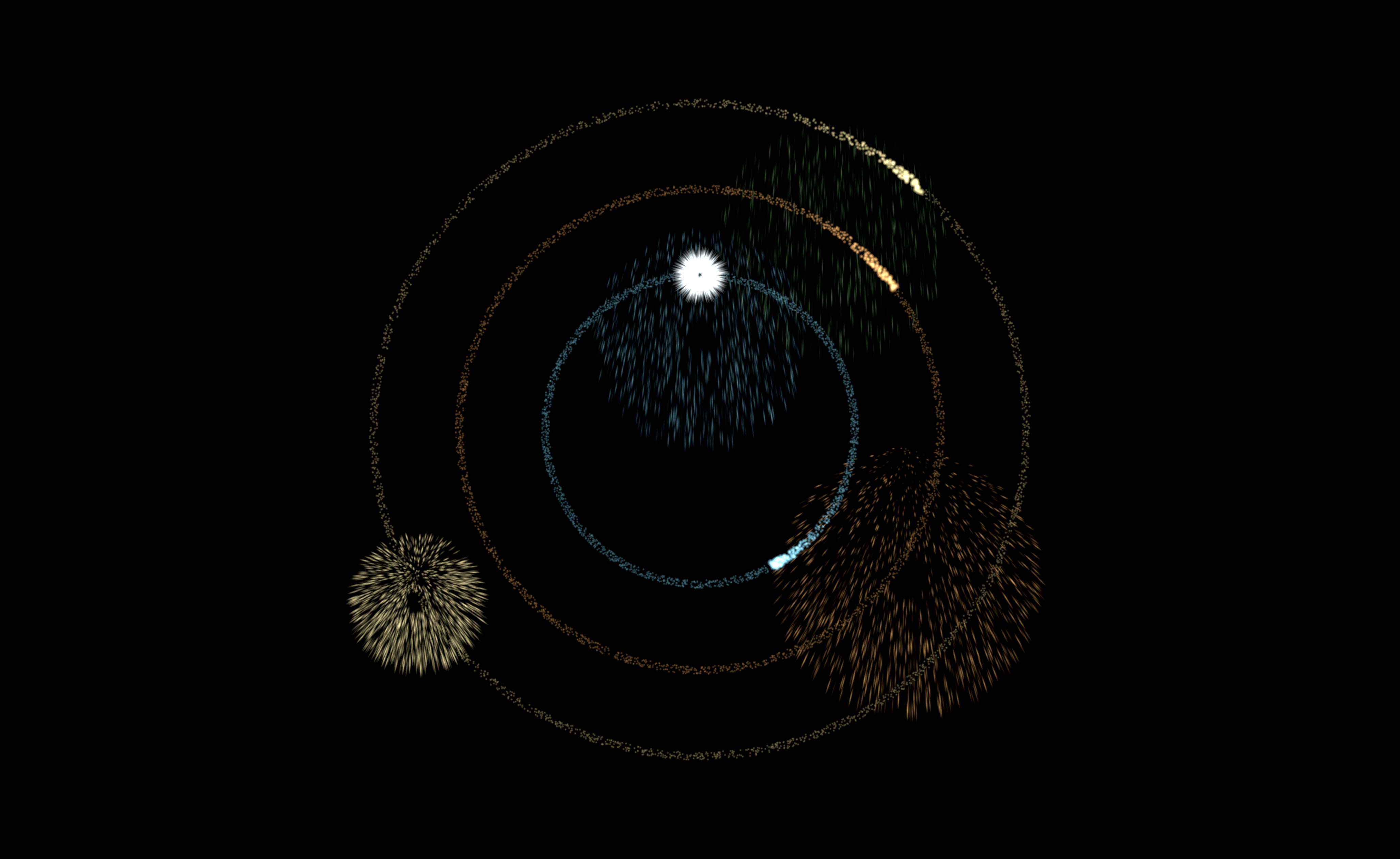
A Petri Net That Throws Sparks. One Petri net plays a drum part from the Dirt-Samples drum library, and every transition that fires throws a burst of GPU sparks in its own colour.
-
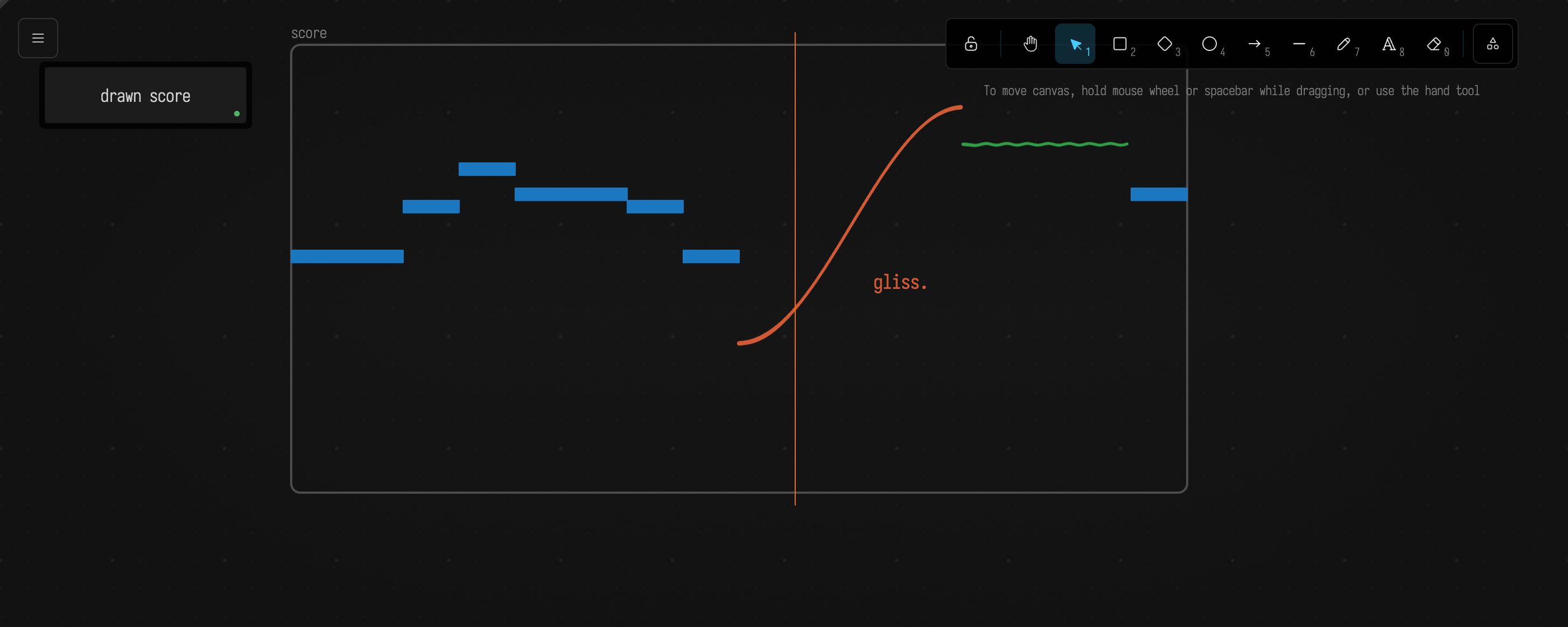
A Drawn Score, Heard. Rectangles and pen strokes on the drawing layer, read as time across and pitch up, then played and analysed again so you can put what you hear next to what you drew.
-
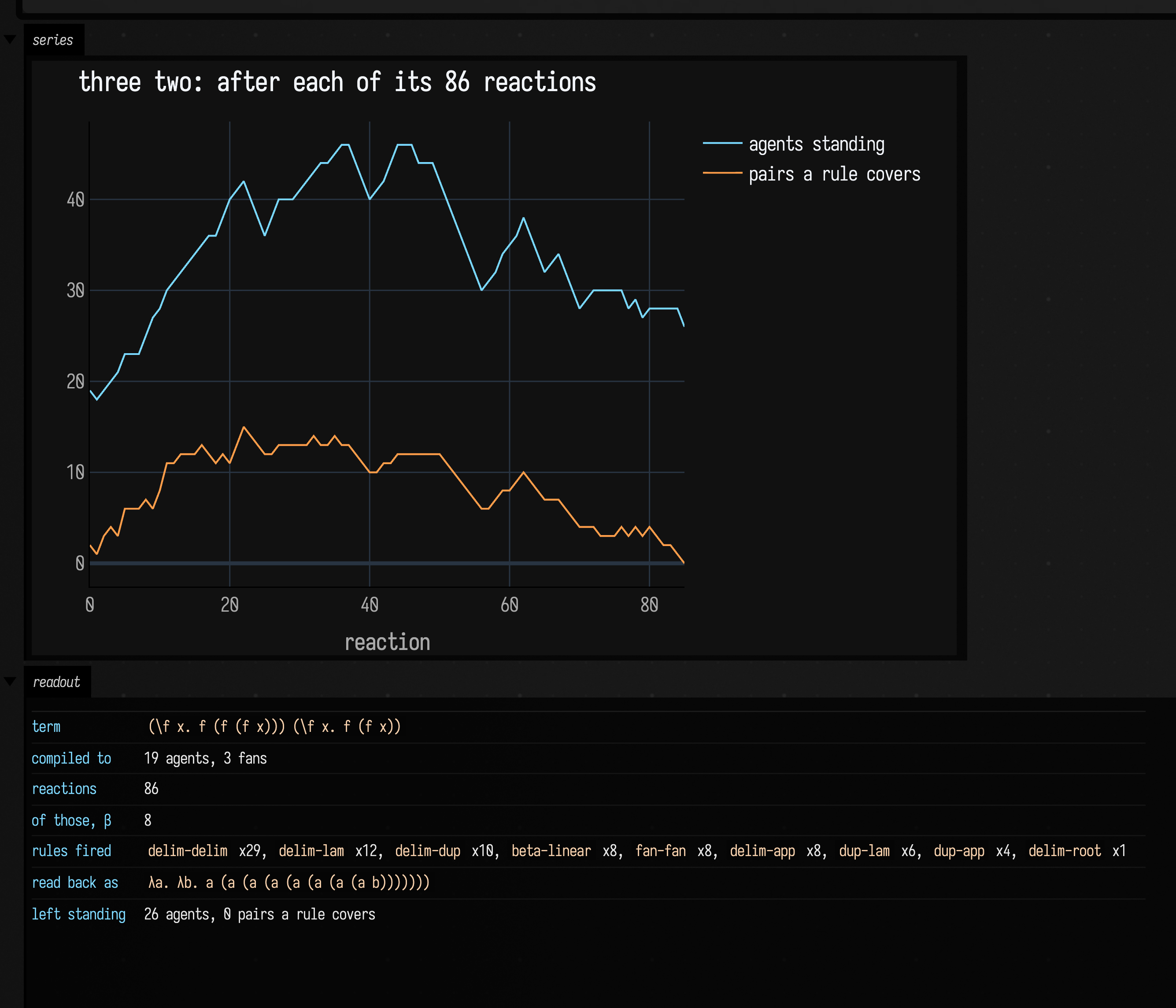
A λ-Term You Can Hear. The order in which an interaction net fires its reactions becomes a rhythm, so changing the scheduler is something you can hear.
-
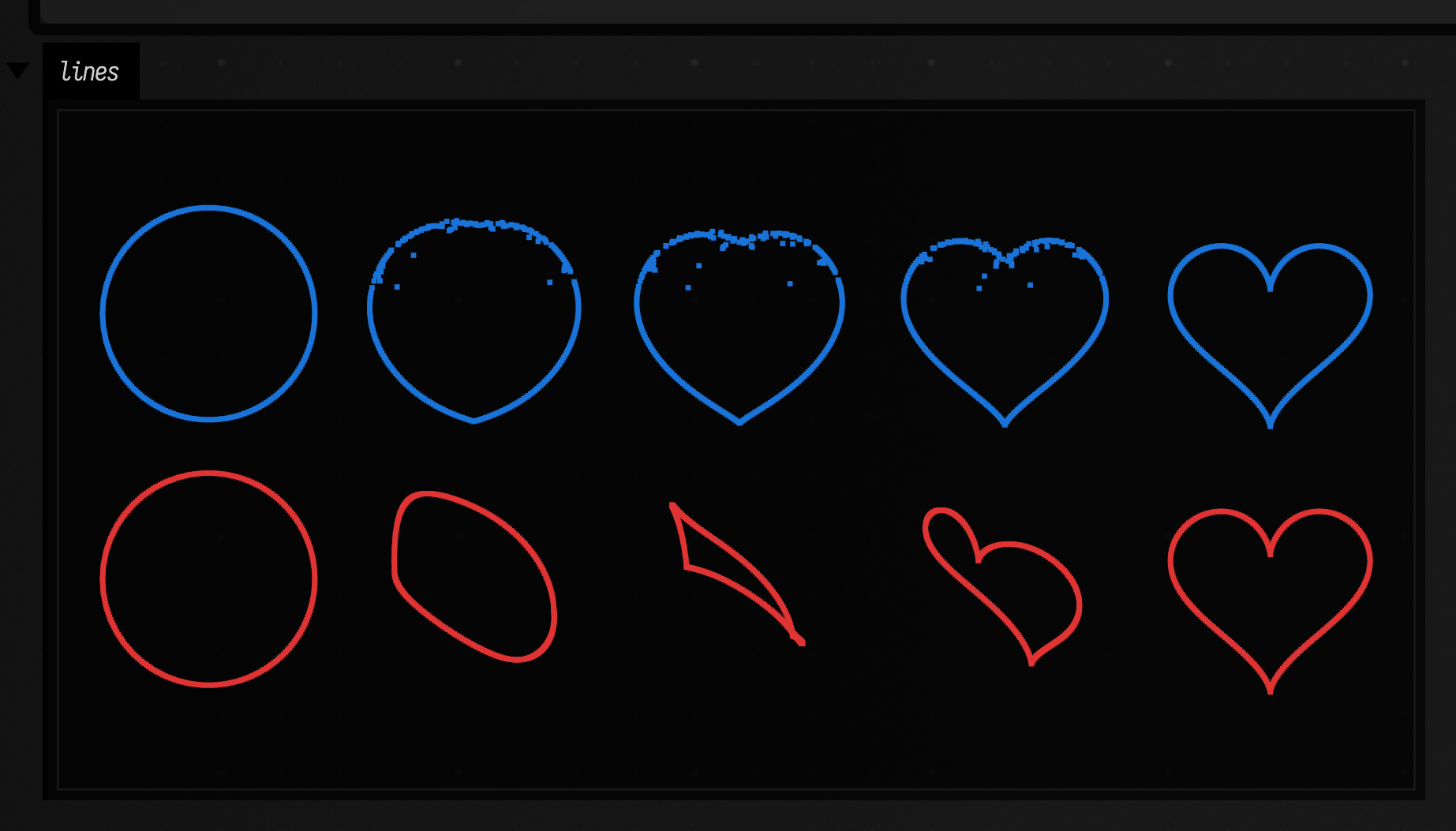
A Drawn Morph, Heard. Pair the points of two strokes and play the morph between them as pitch.
-
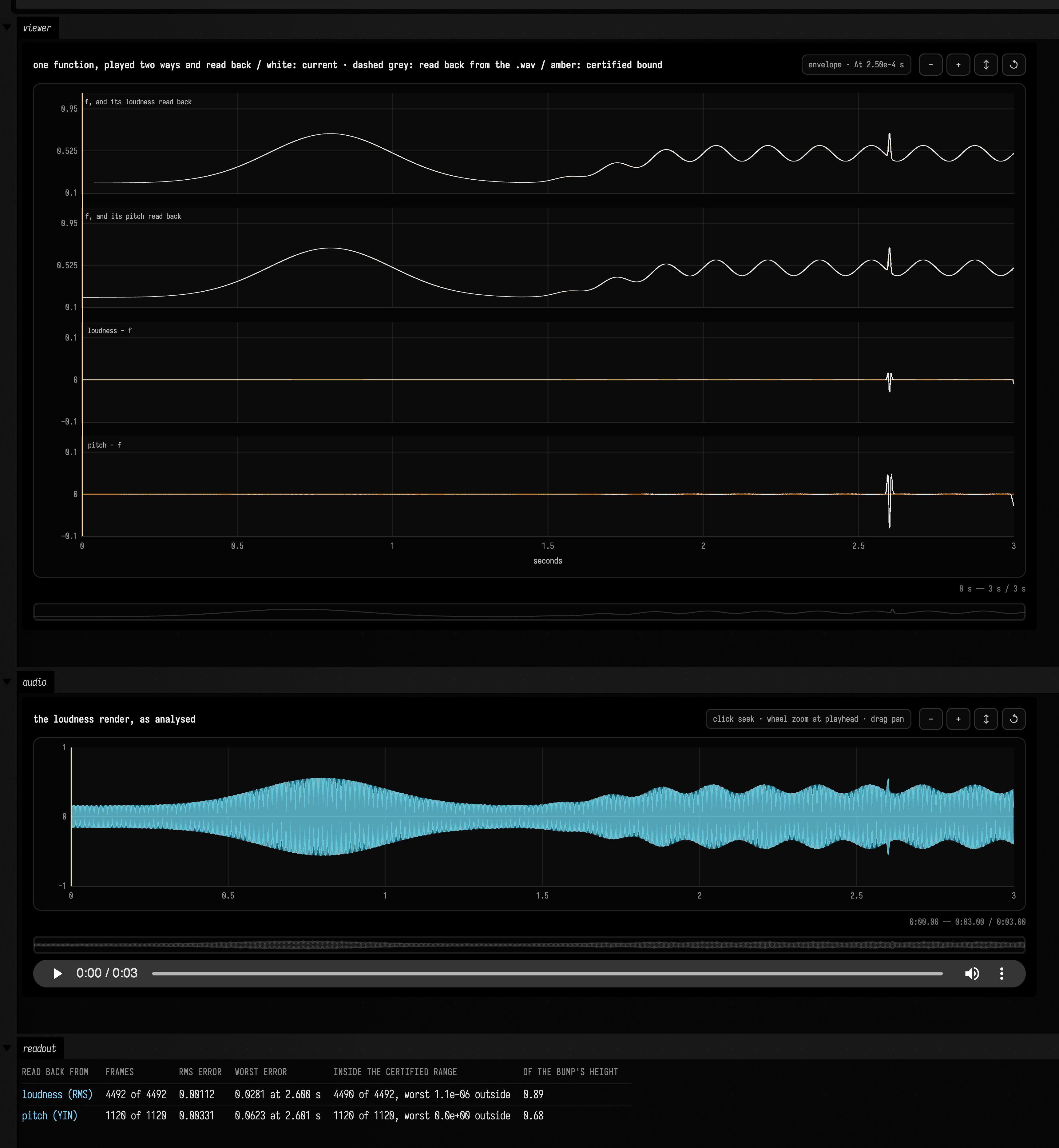
A Function, Played and Read Back. Play a function, detect its pitch and onsets in the recording, and draw both on one timeline next to the range interval arithmetic proves the function stays within.
Ending in an object
These chains end in something you could print, mount, hang or light.
-
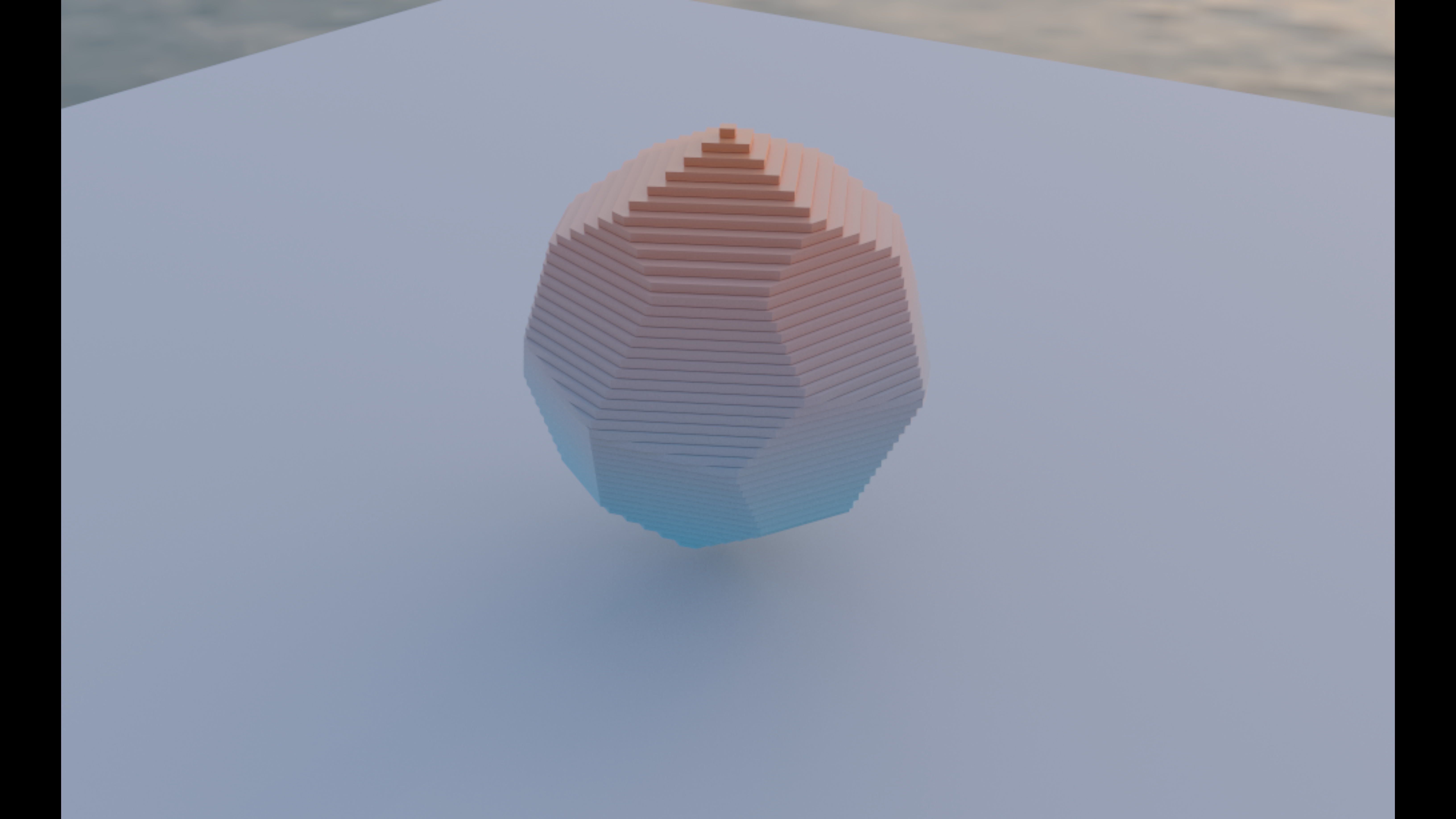
A Polytope, Canonicalised and Sliced. Solve for the canonical form of a Conway polytope, where every edge is tangent to one sphere, with the Ceres optimiser, and slice it into the layers a 3D printer would print.
-
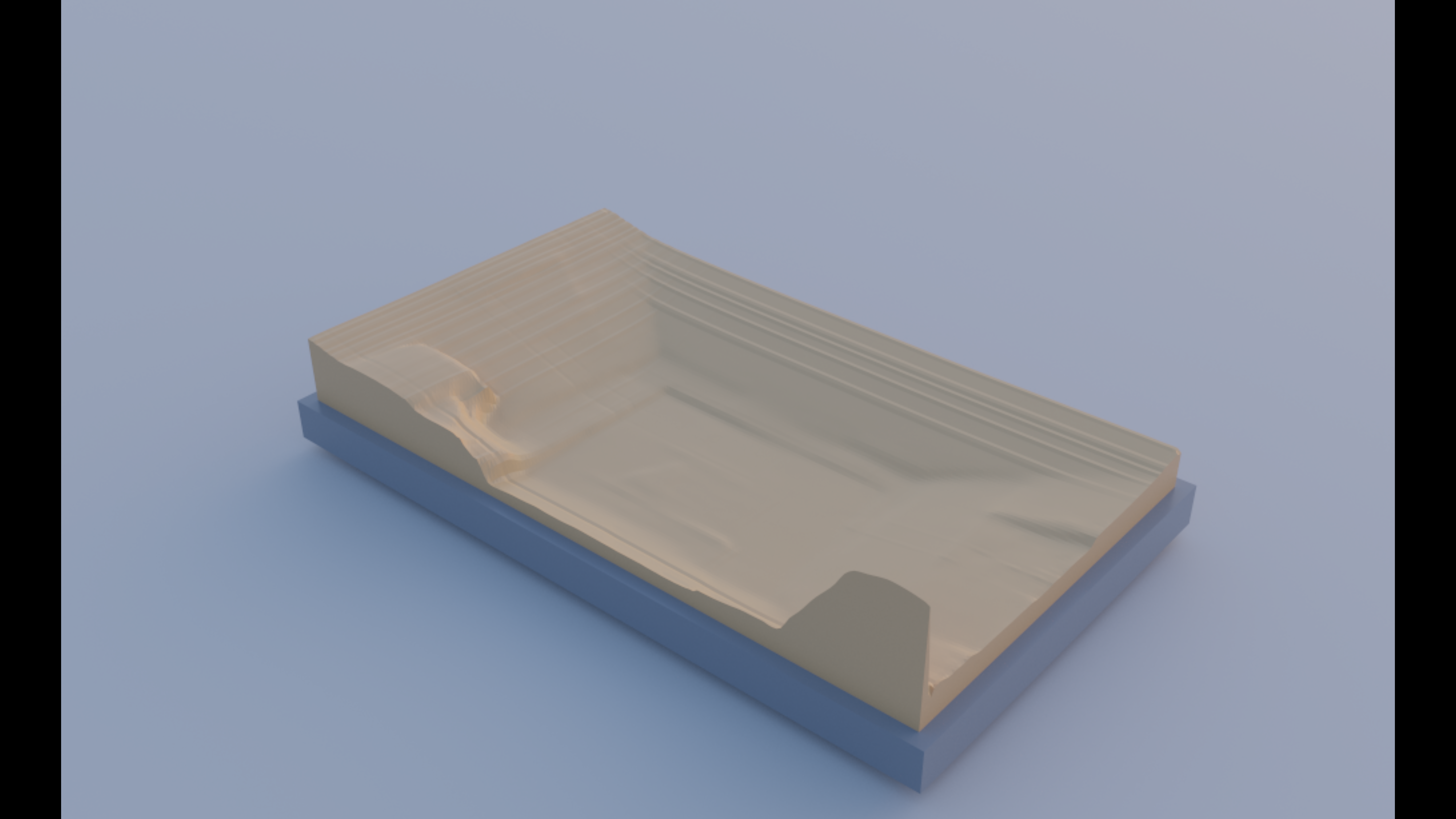
A Photograph, Closed and Mounted. Run a depth model on one still photograph and close the result into a solid plaque. No depth camera is involved.
-
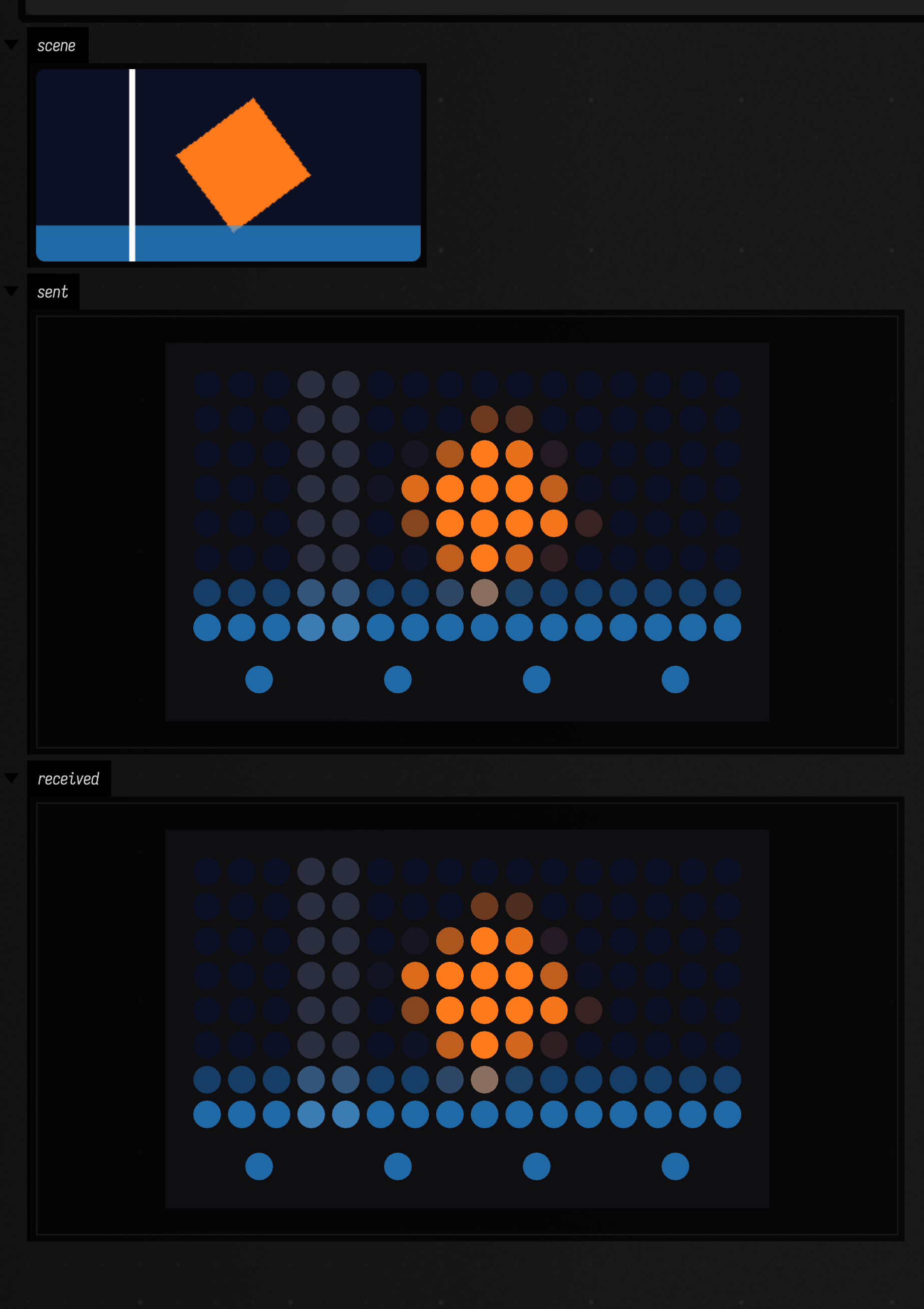
A RectSL Scene on a Light Rig. Send a scene over sACN, the network protocol stage lighting uses, receive it back, and check that what came back matches the pixels the rig was sent.
-
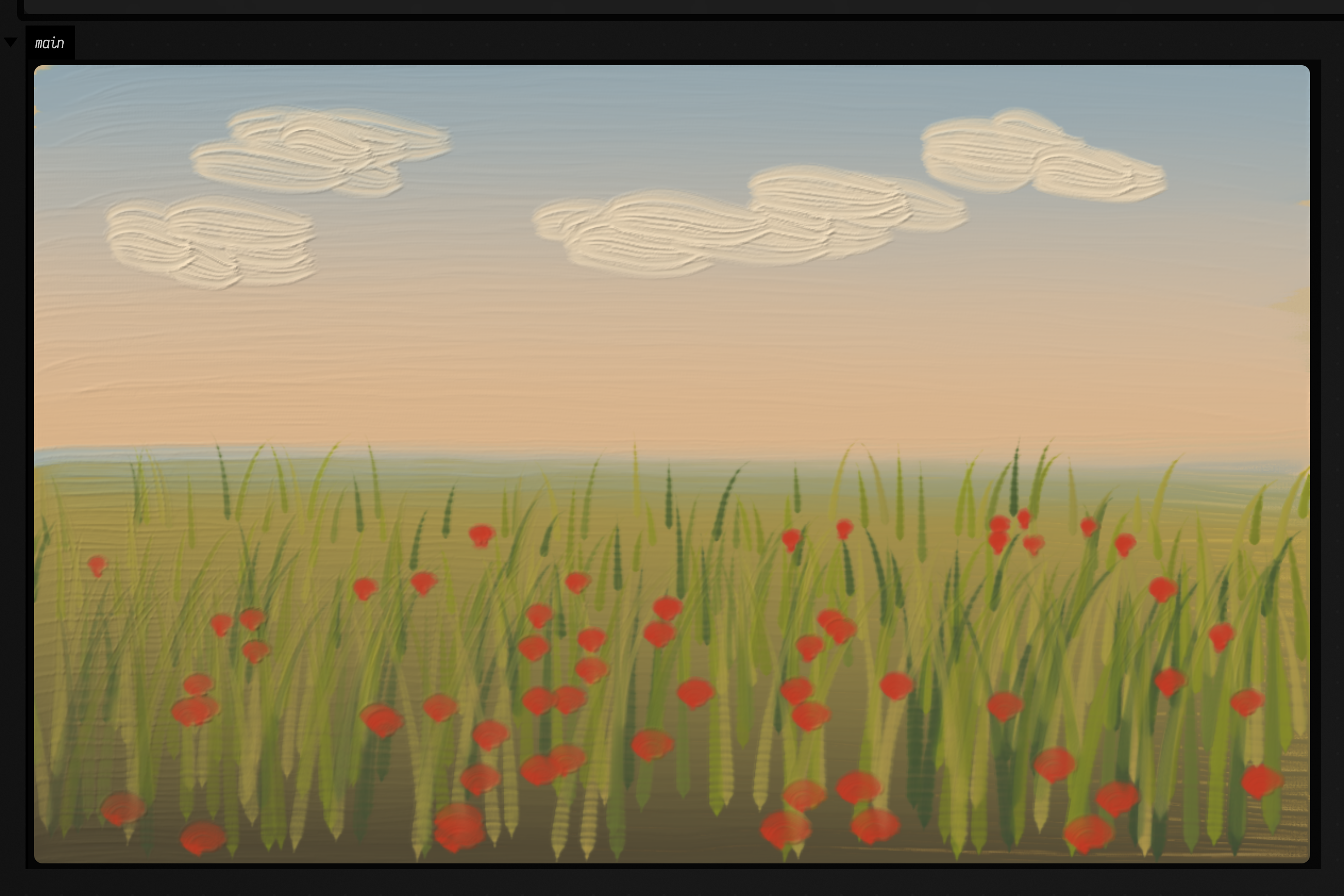
Drawn Strokes Become Paint. Pen strokes on the drawing layer, with their pressure, drag a simulated oil brush across a canvas of wet paint.
Studio tools from MADP
MADP is Media Arts and Design Practice at the University of Chicago. Its tools are single-page browser sketchbooks for a studio class: code on the left, art on the right, and a program short enough to read in one sitting. Each card below is one of those tools rebuilt in Field. The program the student writes keeps its shape and its names, but it lives in boxes, so it can run beside other boxes, take their output and hand on its own. Each is a starting point you can open from the welcome screen as an editable copy: change a line and run it again. The card links to its entry in the gallery, which says what every box in the document does.
-
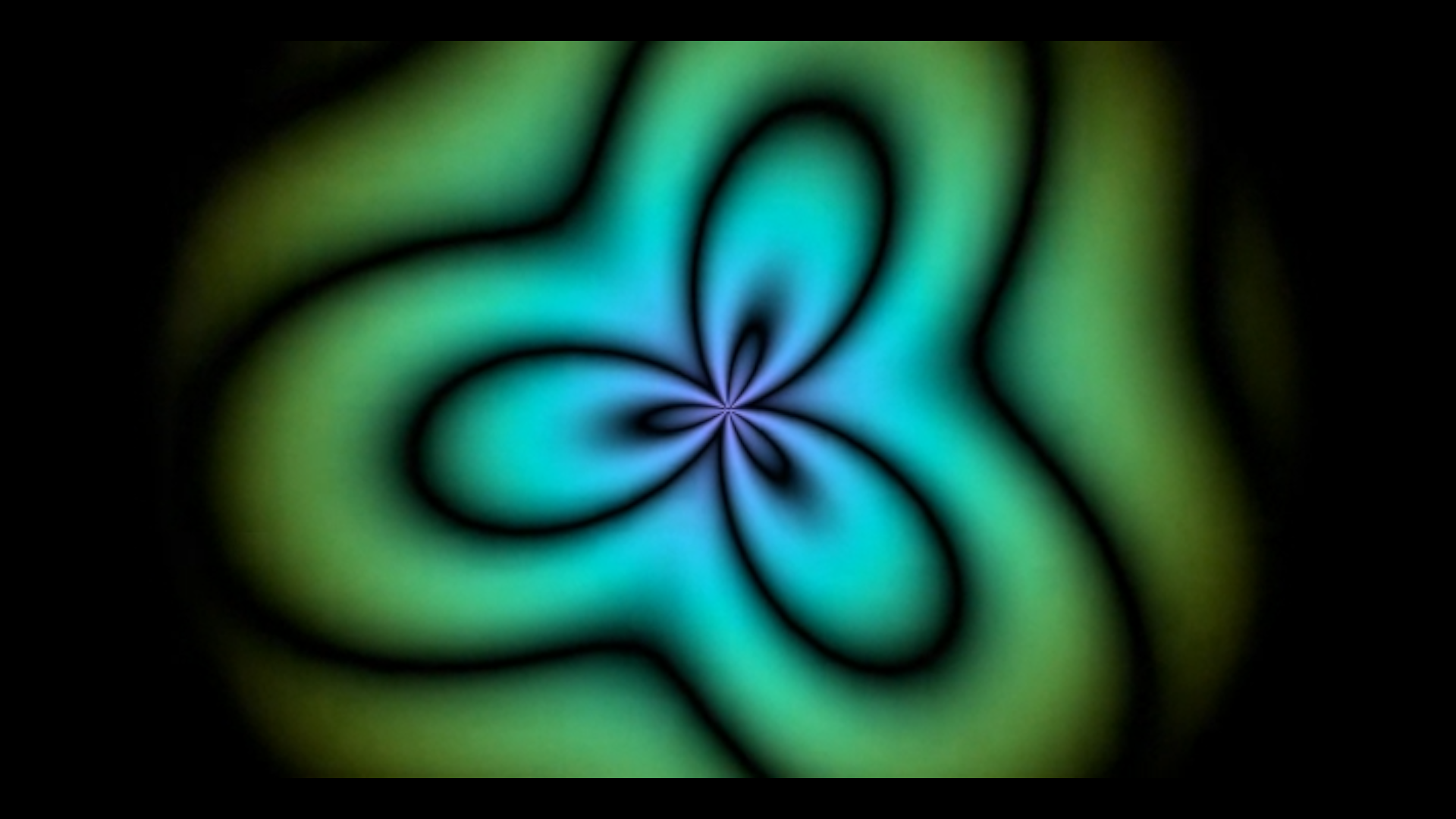
The Classroom Shader Jam. One box publishes its shader as a live stream, and another picks anyone's stream, from Field or from a browser ShaderTrinket, and draws it in the renderer window. Read a classmate's picture into your own shader and the room becomes one patch.
-
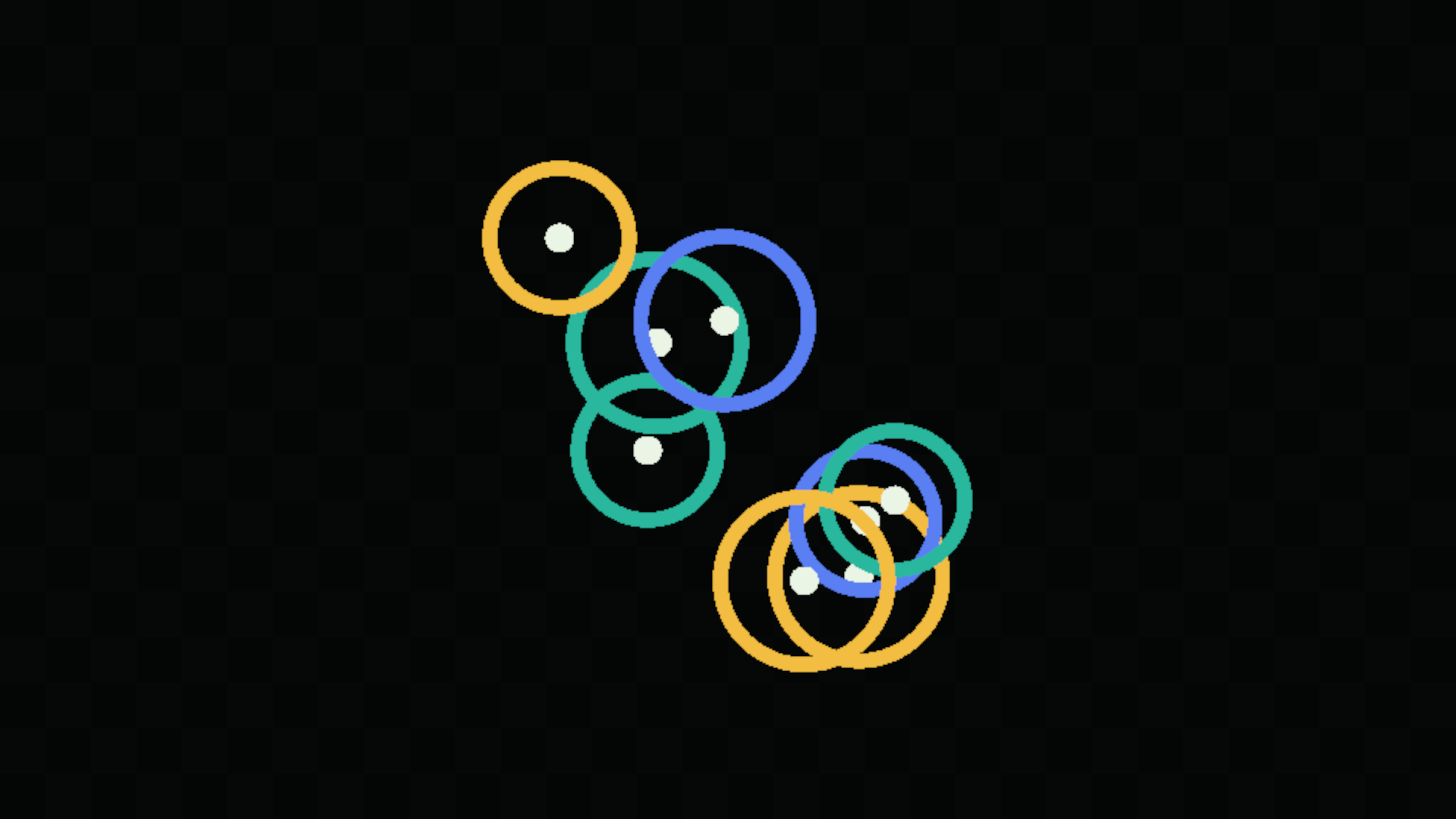
ShaderTrinket. A ShaderToy-style
mainImage(a function that returns one pixel's colour) in a box, recompiled on alt-R with any error marked on its own line. Each preset is a box you launch, and the camera is one line away asiChannel0. -
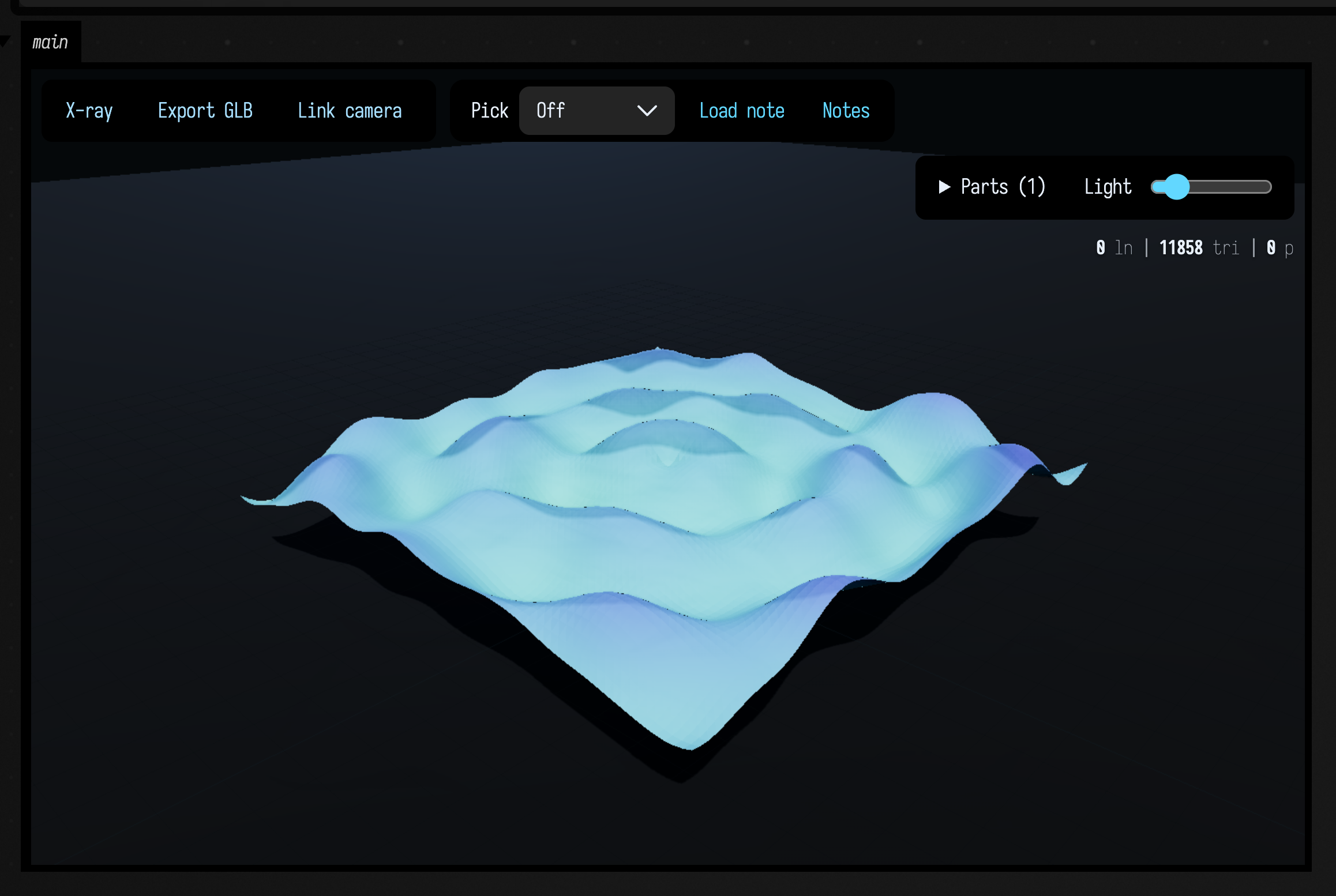
Geometry. A model is a recipe of triangles emitted through a transform stack with a current colour and material, drawn in a studio-lit view you can orbit and export as GLB. The presets run from a rippled terrain to a Menger sponge.
-
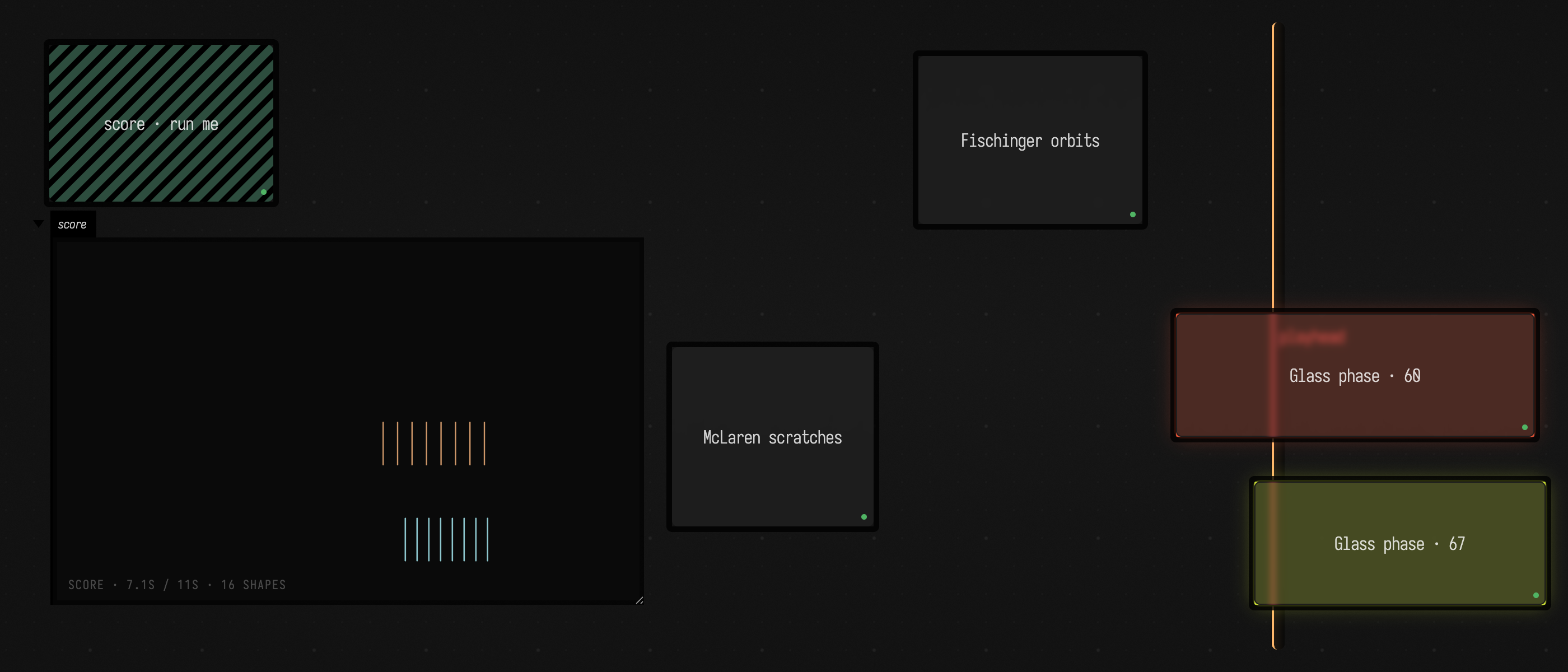
Score. The canvas is the score: a playhead sweeps the boxes, and each one draws and plays sound while the playhead is over it. Drag a box to move it in time, or stretch it to make it last longer.
-
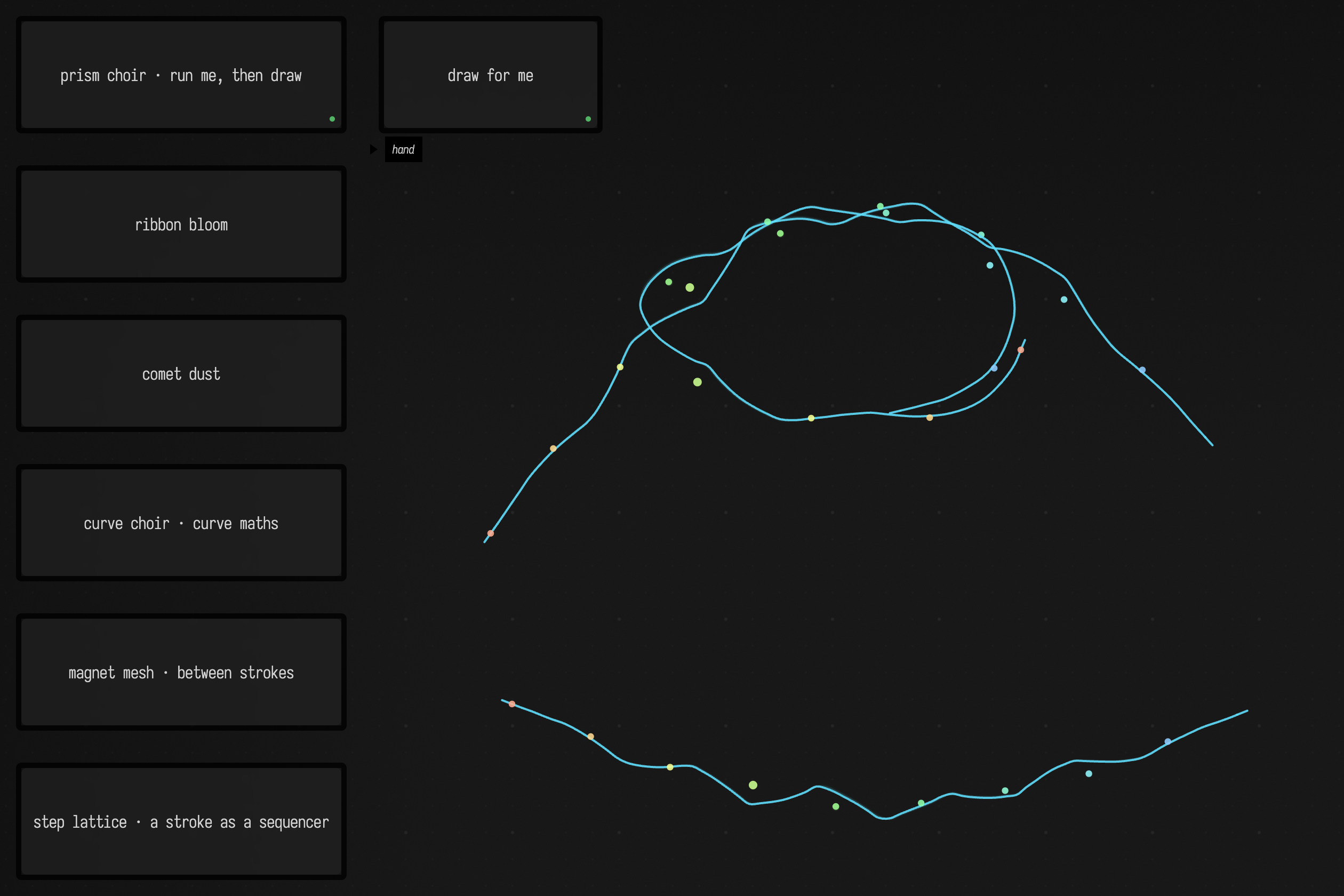
Line. Draw on the canvas and each stroke turns into a moving, sounding object whose shape sets up a small synth choir. Every stroke keeps the code it was drawn with, so an edit changes only the strokes you draw next.
-
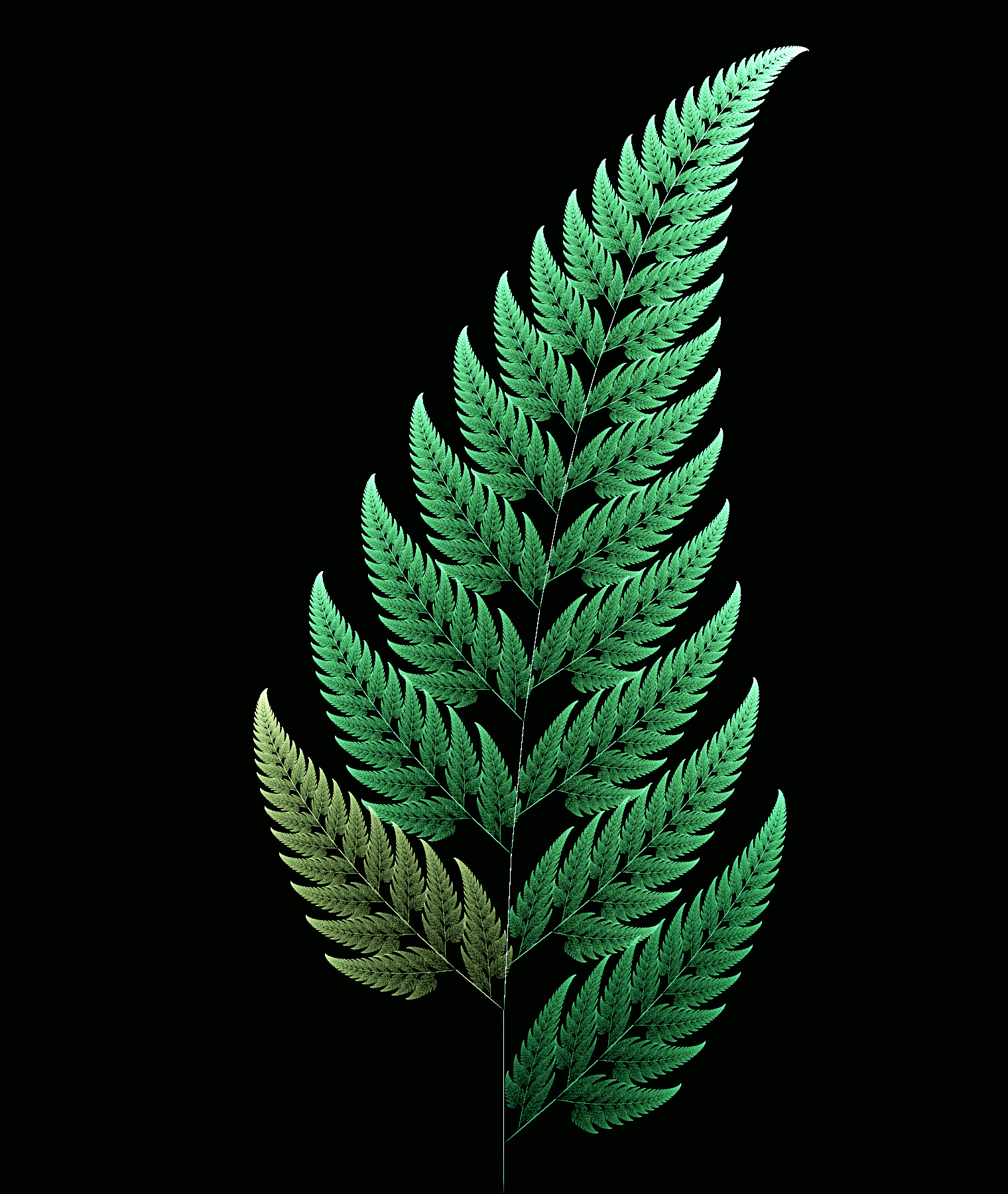
Fern. Hundreds of thousands of particles each follow one rule and leave a fading trace, so a fern, the Lorenz attractor and a flame build up out of glowing dust. The rule is six short GLSL functions.
-
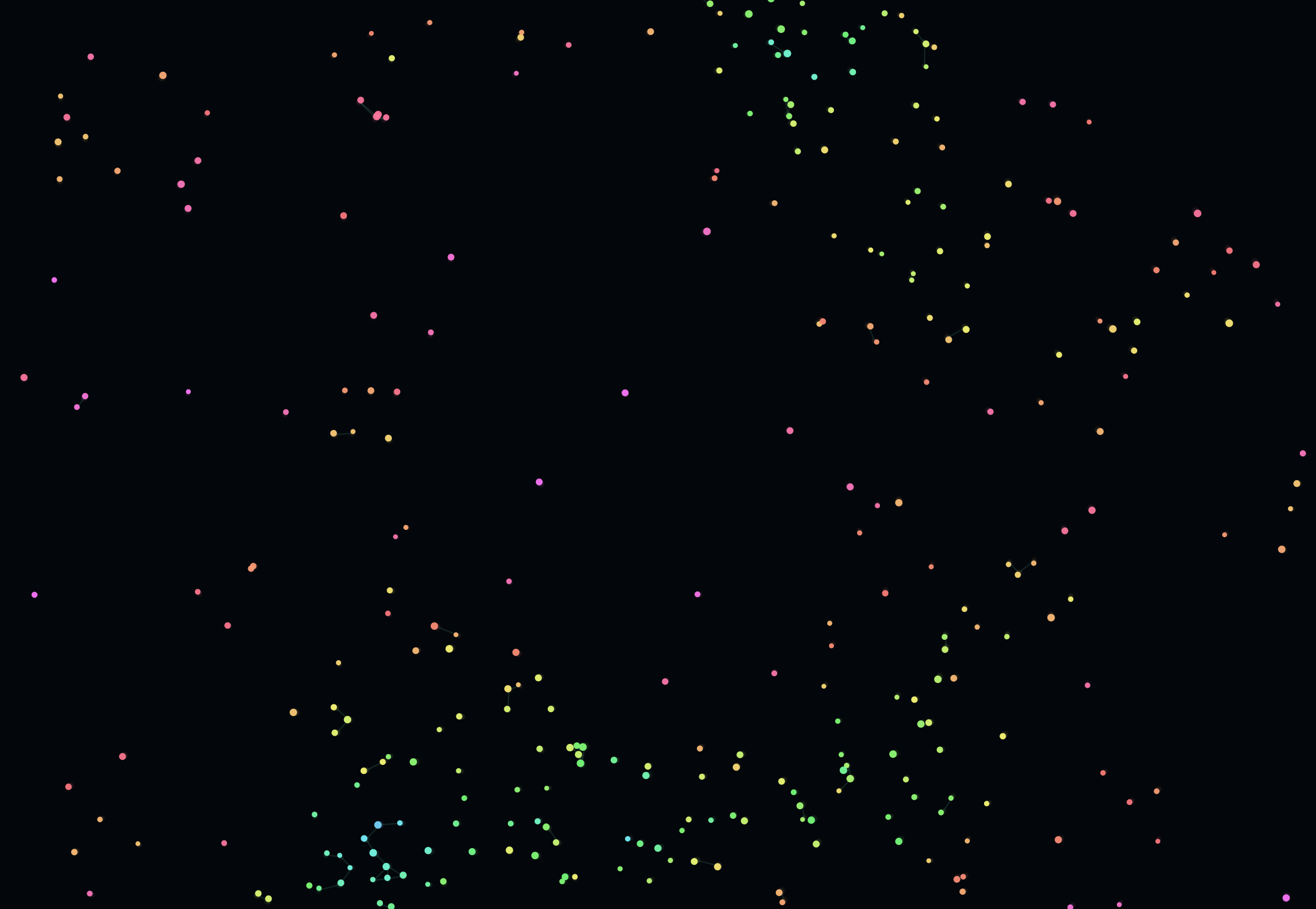
Particles. Paint particles into the window with the mouse, and four GLSL hooks decide what they do. Seven sketches, from flocking to springs to collisions, show how far a handful of force helpers go.
-
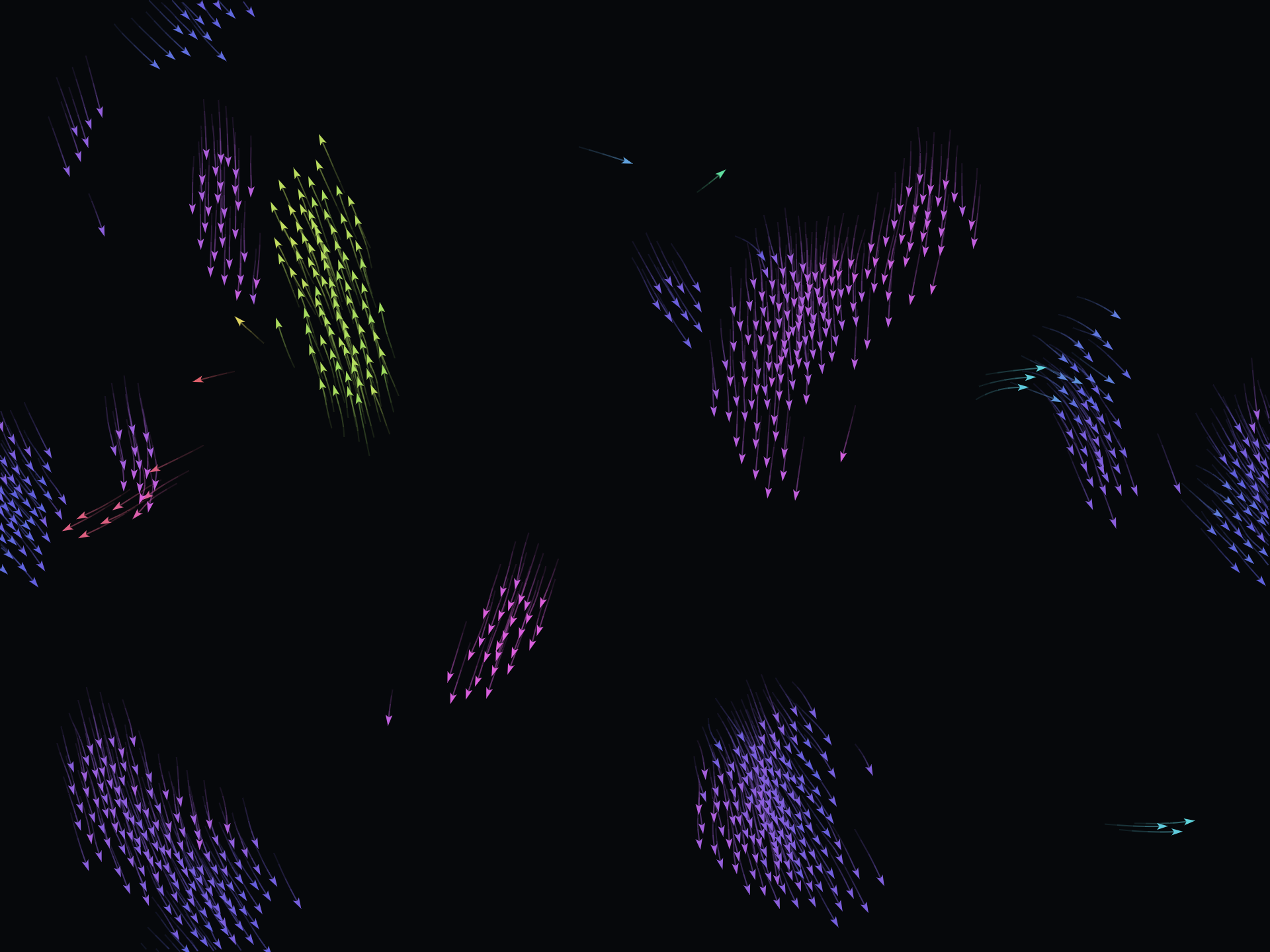
Boids. A flock is written as a spec: kinds of boid, each with a field of view and a list of steering rules such as separate, align, chase and flee. Seven flocks, from a murmuration to hawks and a bait ball, come from changing the list.
-
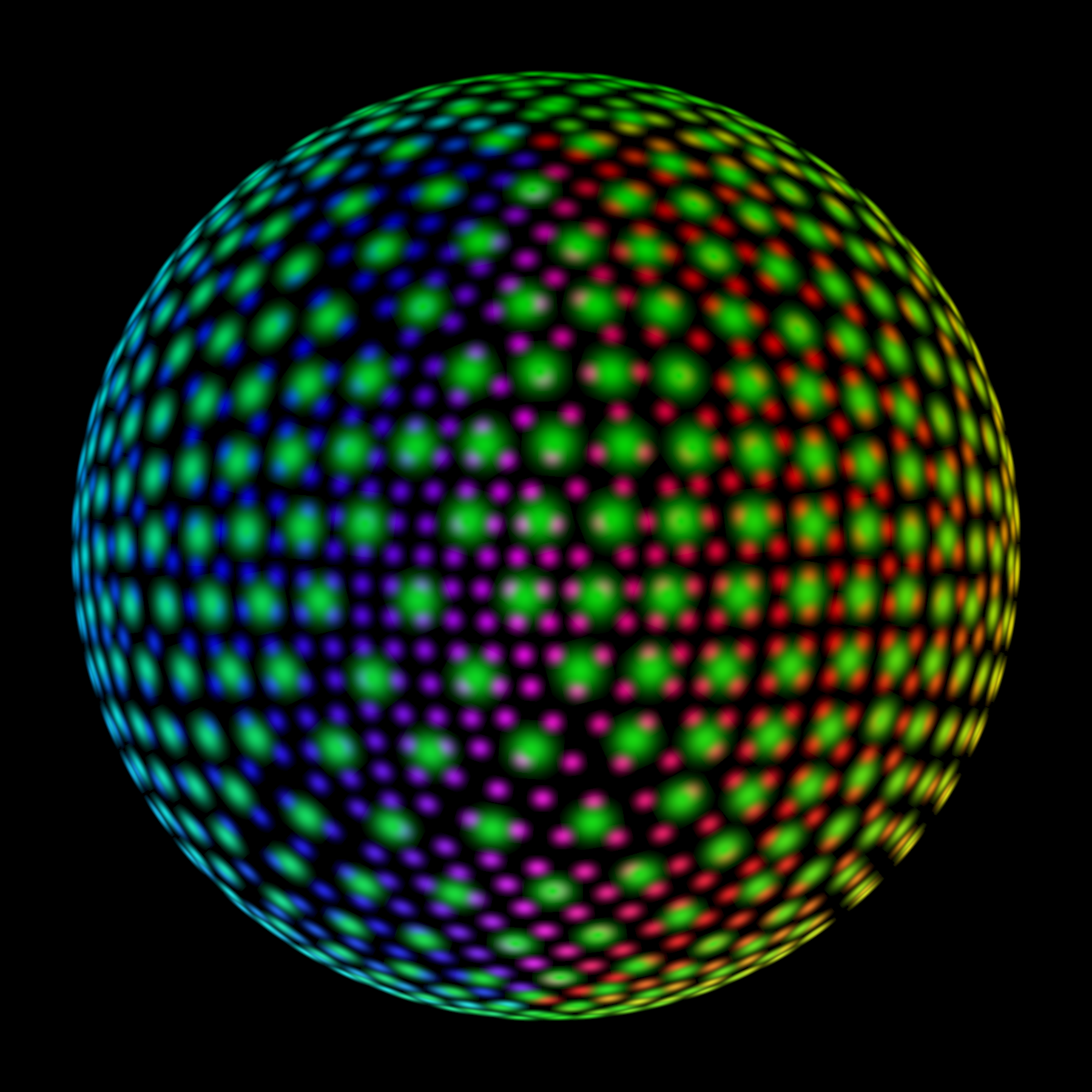
Splat Shader. A few lines of GLSL run once per Gaussian splat each frame and may move, resize, recolour or turn it. (A Gaussian splat is a soft coloured blob; a few thousand of them make a 3D scene.) The edit runs before the depth sort, so splats thrown outward still draw in the right order.
-
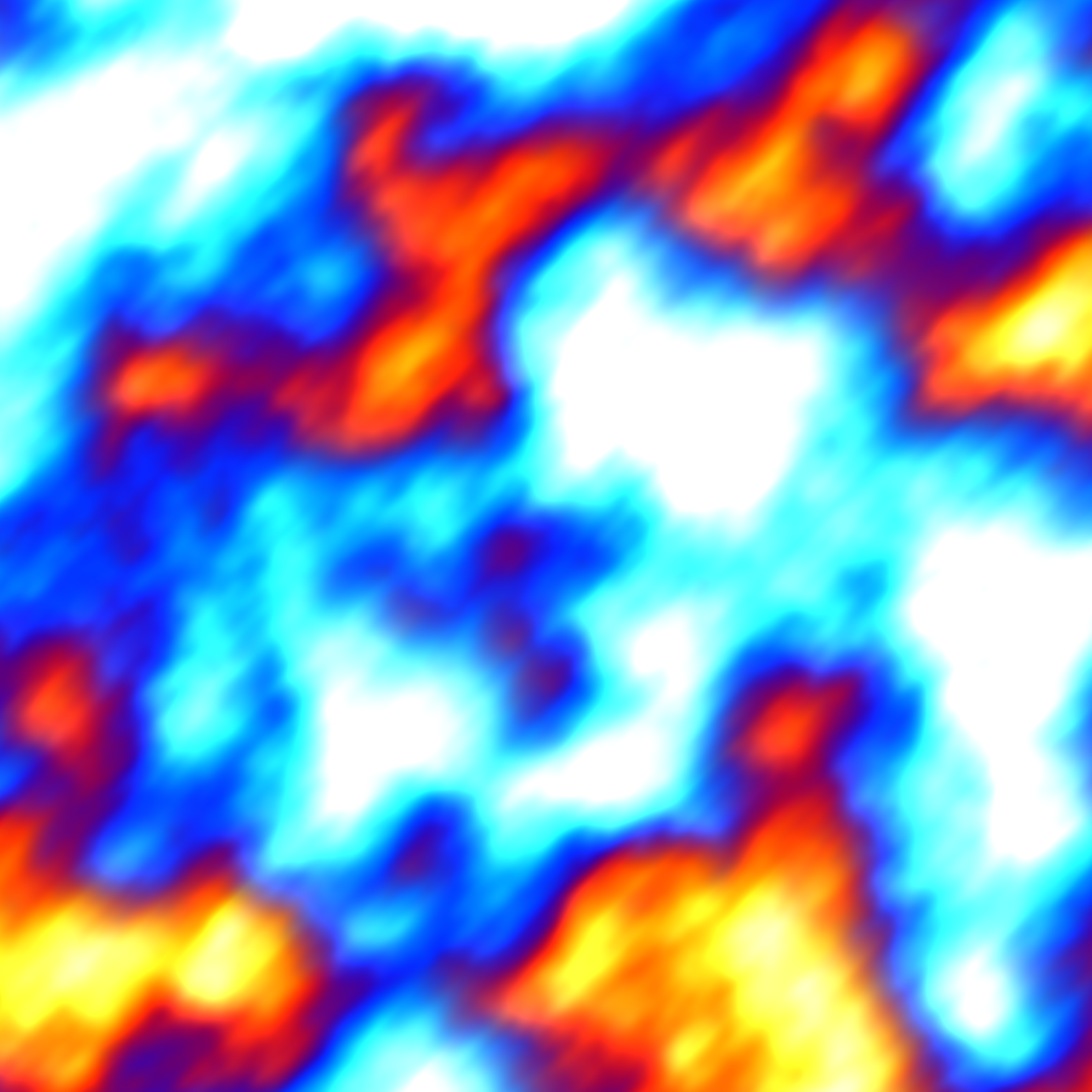
StackTrinket. Programs in a stack-based shader language that read their own previous frame, so a few words leave trails, fog and bloom. Each box shows how deep its stack ends and the GLSL its program becomes.
-
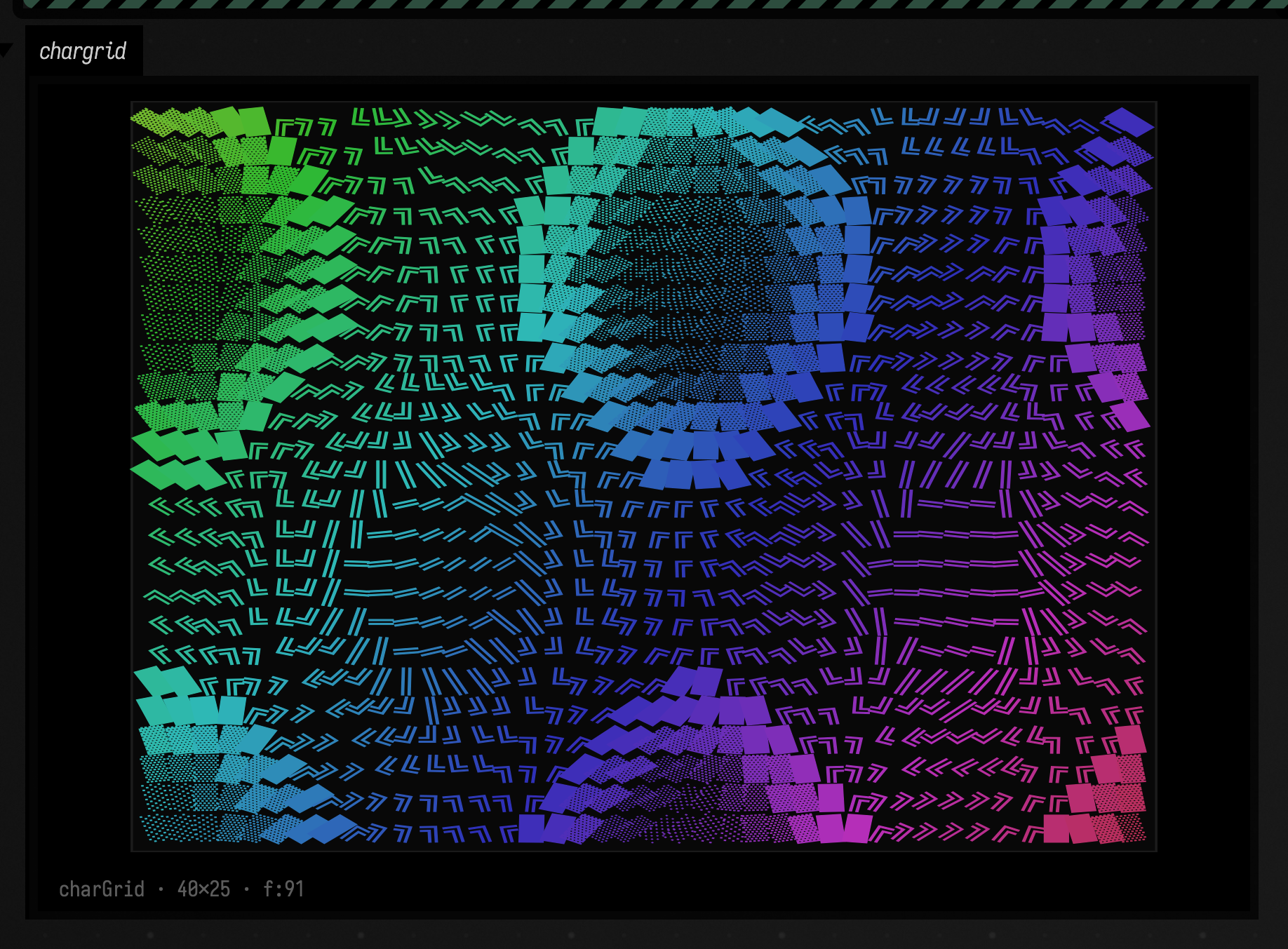
charGrid. A picture as a 40 × 25 grid of glyph numbers, rewritten once a tick. Reading the last tick is all Conway's Life needs, and a glyph can also be a note, so an arpeggio draws and plays at once.
-
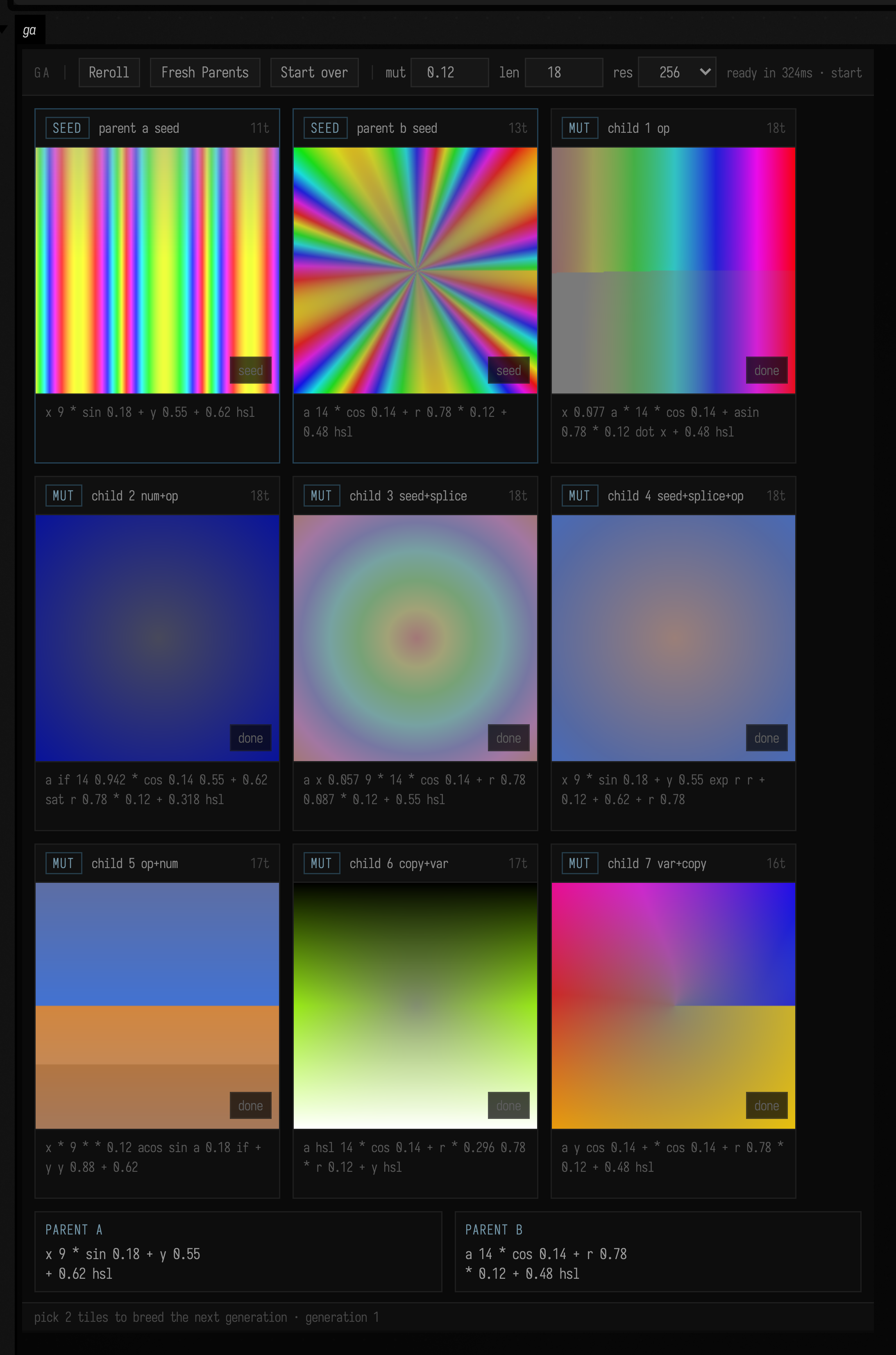
GA. Interactive evolution after Karl Sims: each tile is a short colour program run once per pixel, and you are the fitness function. Click two tiles and they become the parents of the next generation.
-
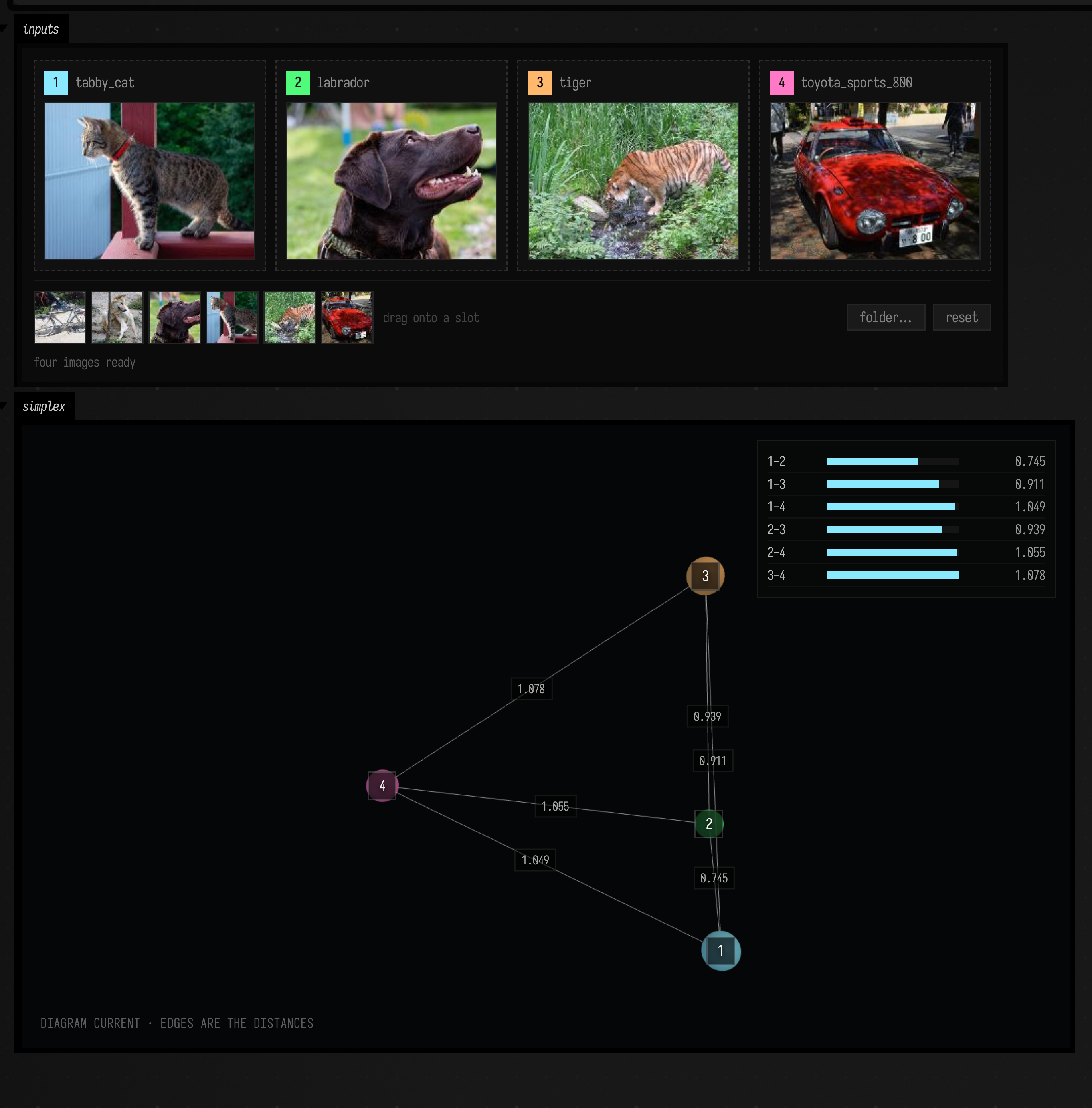
Tetra. CLIP, an image-and-text model, turns four pictures into four points, and the six distances between them become the edges of a tetrahedron. Any four such points fit in three dimensions, so the shape keeps all six distances exactly. Drop in your own pictures.