Linked Verse
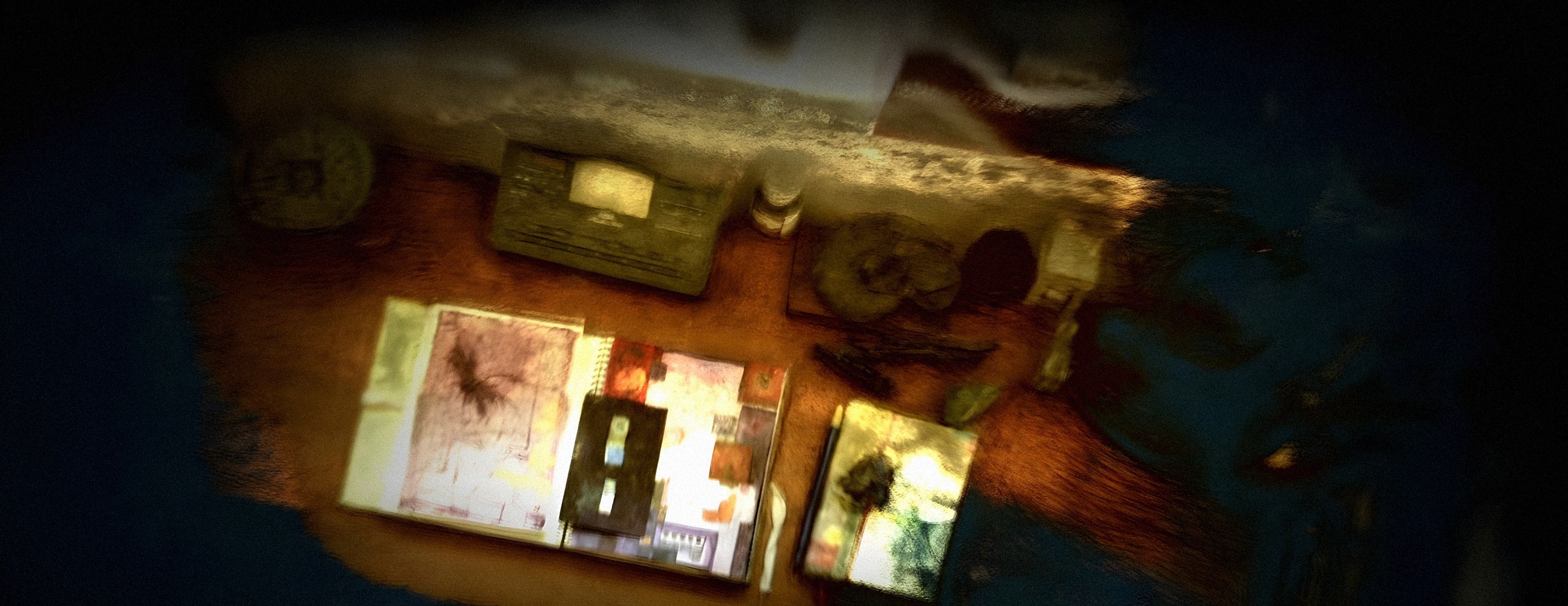
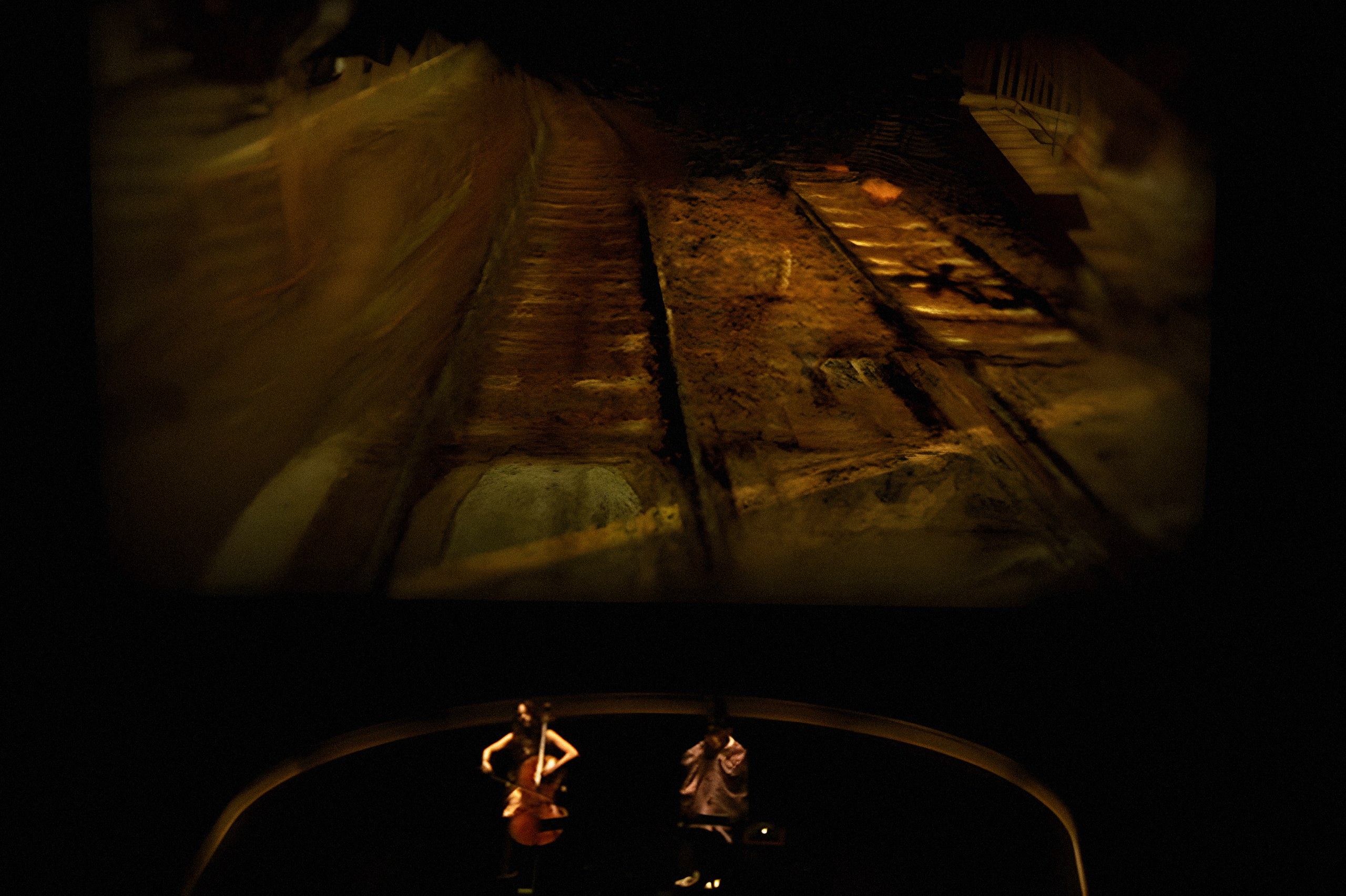
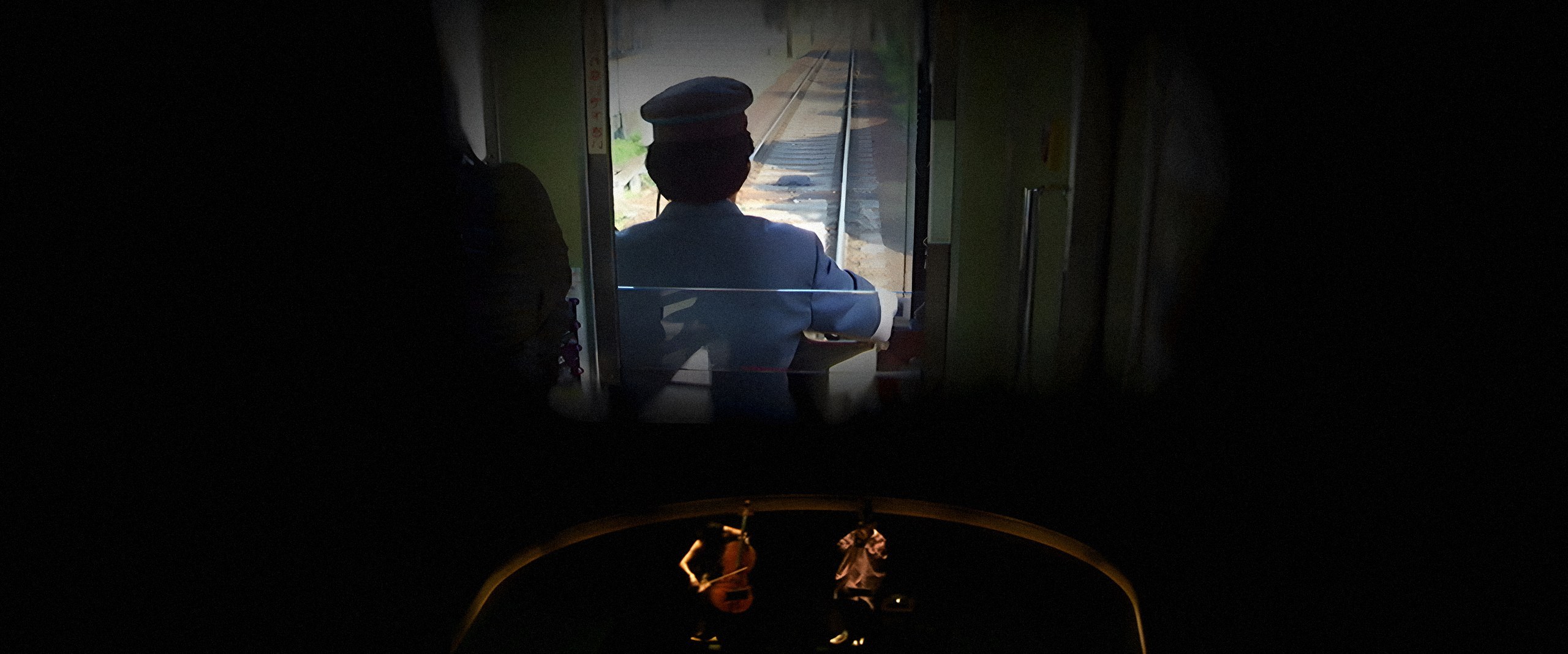
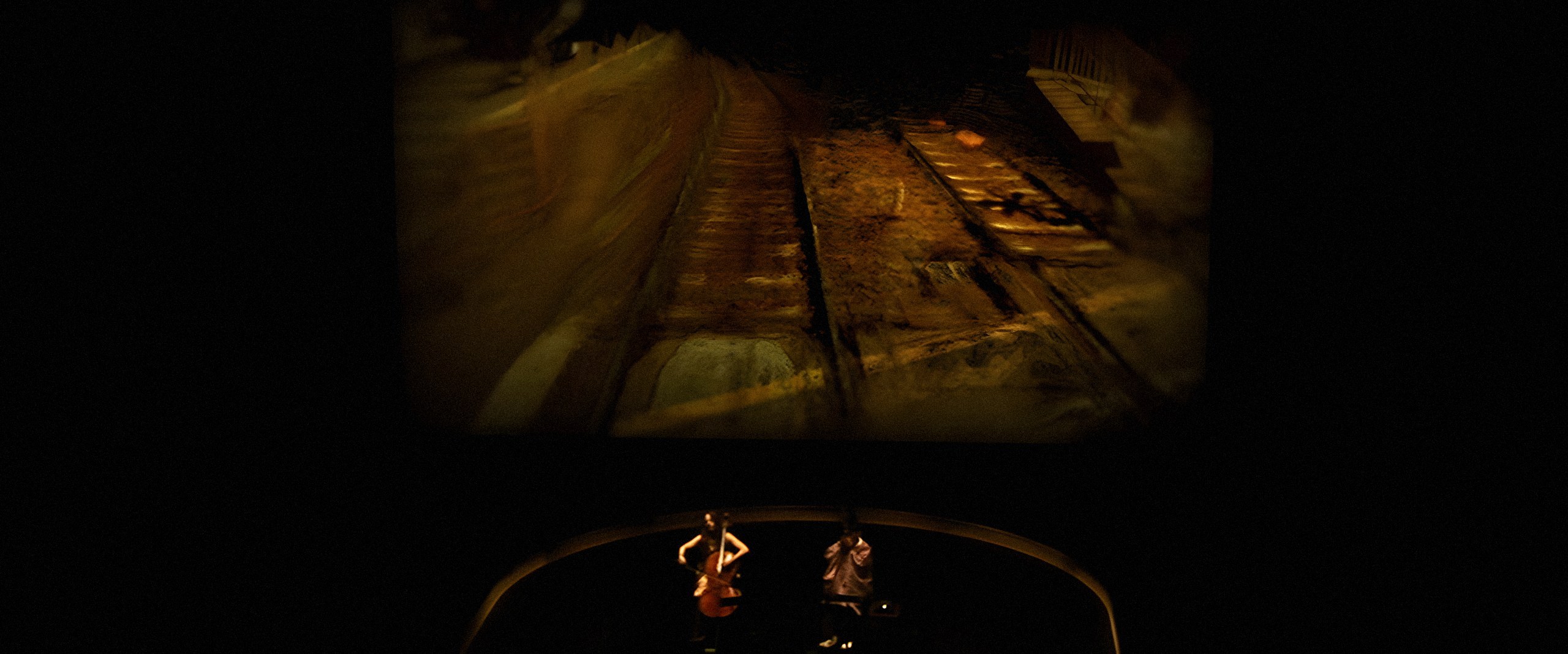
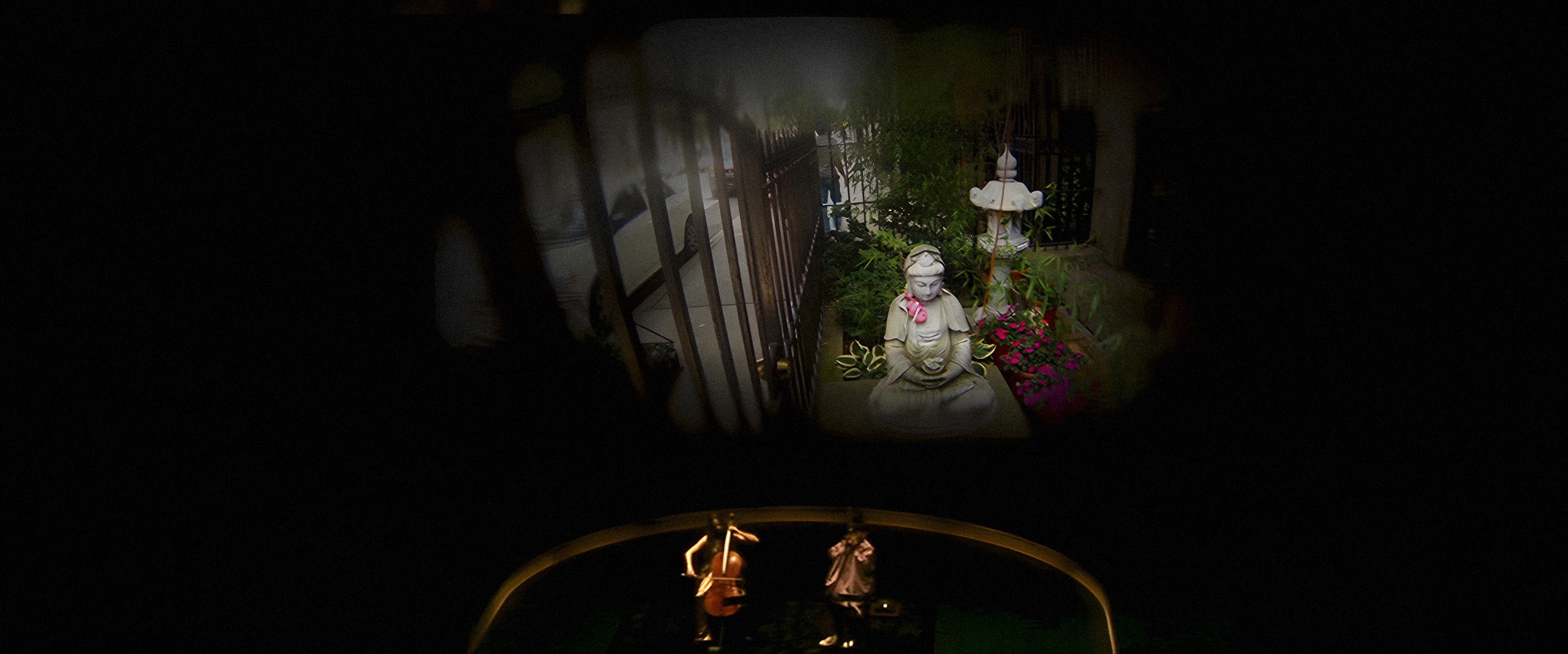

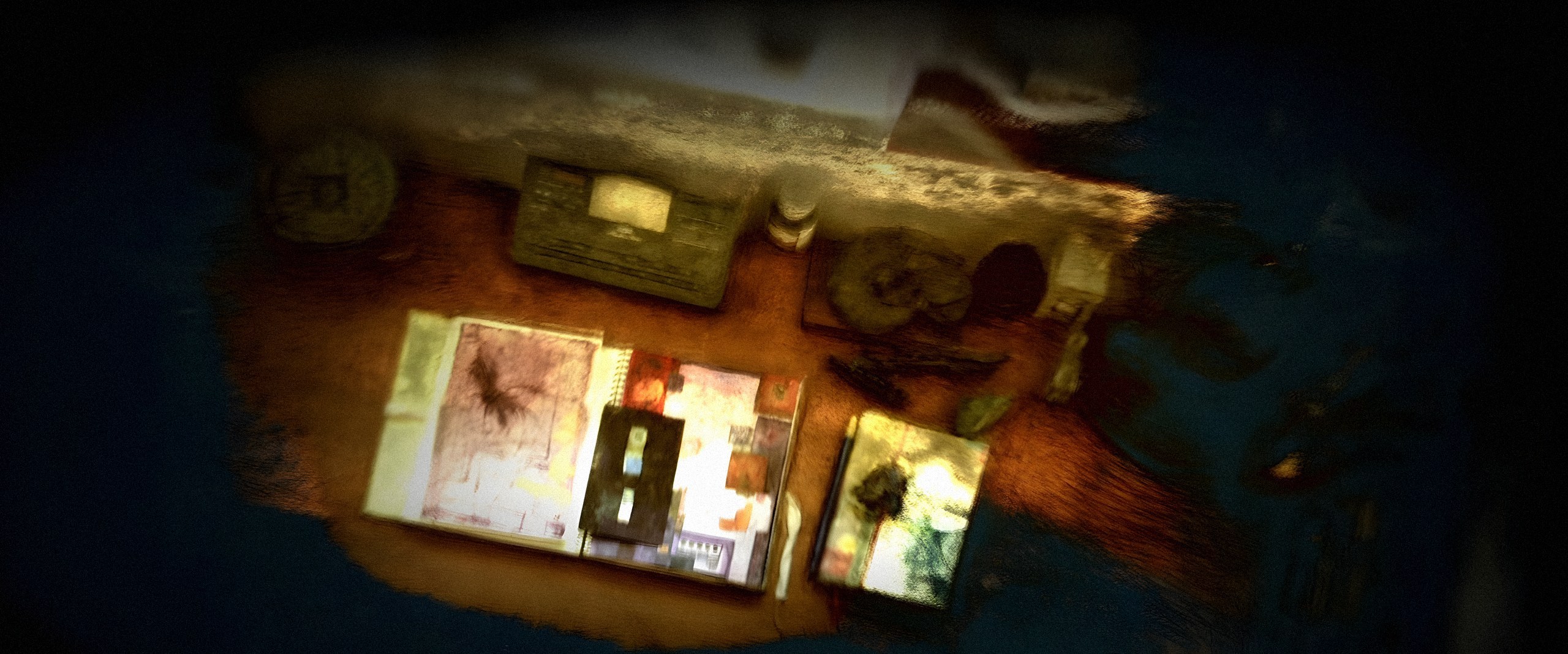
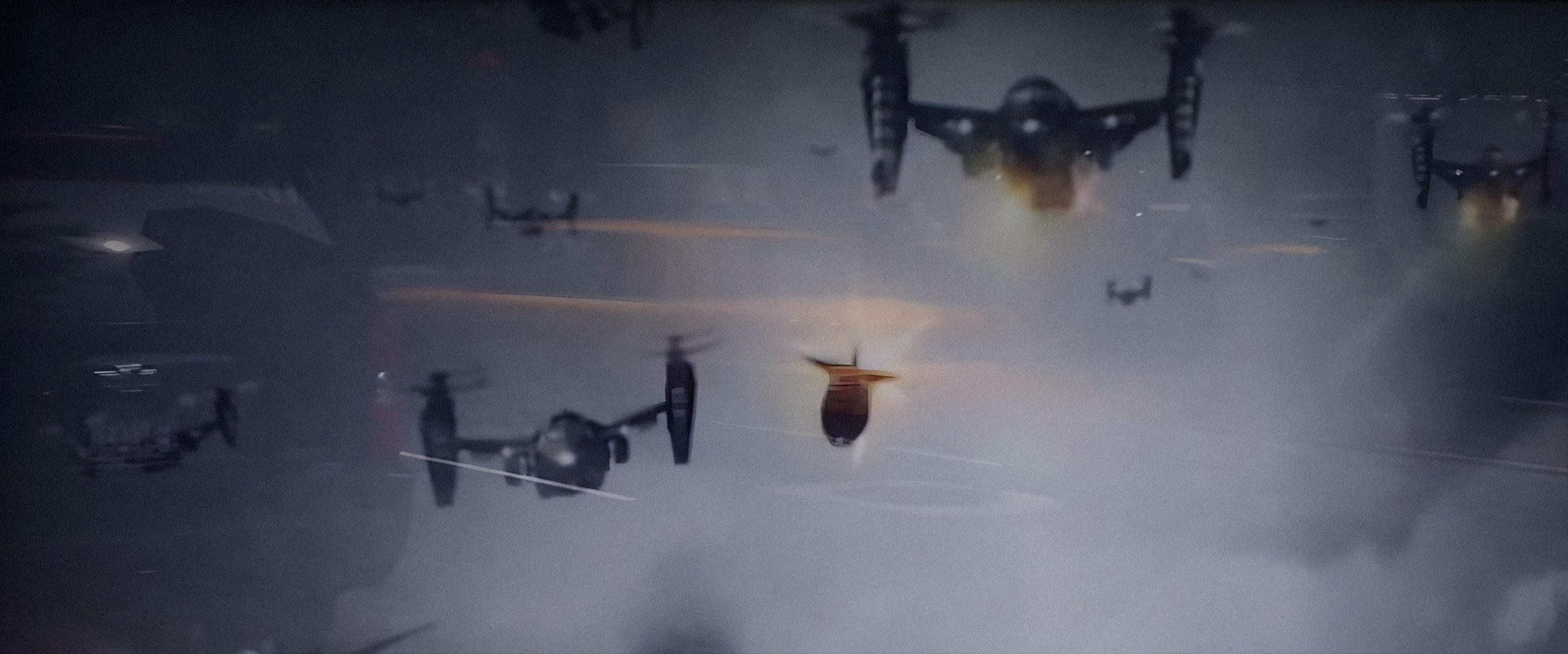
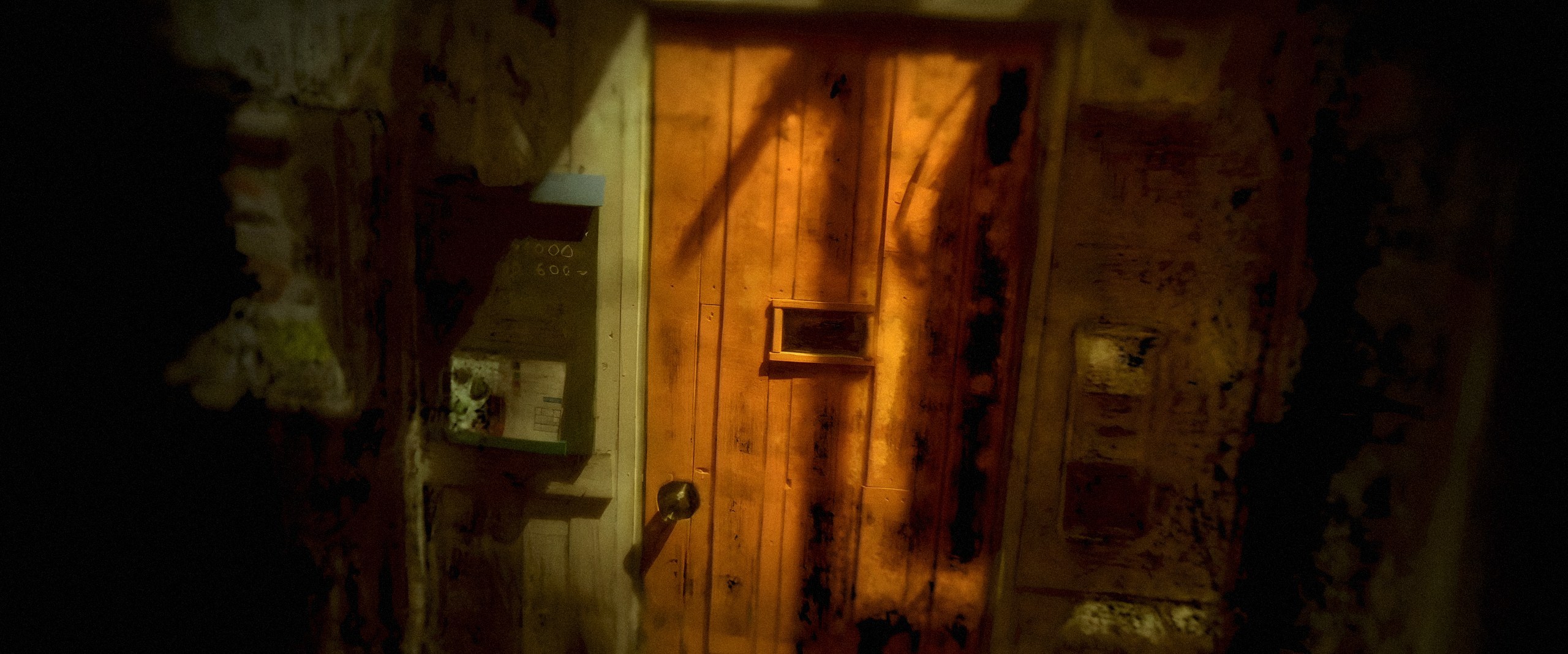
Linked Verse is a composition of music theater that explores the gaps and the overlaps between Japanese and Western ways of being.
It features 3D projections that conjure up scenes of Tokyo and Kyoto in Japan and their rough equivalent places in America: New York City and San Francisco.
The sequencing of projections is inspired by the traditional renga form of linked verse, which sets up a non-linear chain of images that proceed by association of meaning and overtone rather than by narrative.
The music was composed by Jaroslaw Kapuscinski for an unusual pairing of instruments: the Western cello and an ancient Japanese mouth organ called the sho.
The score gave the musicians, Maya Beiser and Ko Ishikawa, considerable latitude in interpretation, and a custom OpenEndedGroup musical score displayed their separate cues graphically during the performance on a tablet, allowing them to improvise while remaining in perfect sync at key moments of the performance.
Linked Verse was commissioned by Stanford University to help inaugurate its new Bing Concert Hall, where it premiered on 7 December 2013. Created by Downie, Eshkar, and Kaiser.
From the archive — the earlier web page for this work
Linked Verse is a piece for music theater that explores the gaps and the overlaps between Japanese and Western ways of being. It features 3D projections that conjure up scenes of Tokyo and Kyoto in Japan and their rough equivalent places in America: New York City and San Francisco.
The music was composed by Jaroslaw Kapuscinski for an unusual pairing of instruments: the Western cello and an ancient Japanese mouth organ called the sho. These were performed respectively by Maya Beiser and Ko Ishikawa.
Linked Verse was commissioned by Stanford University to help inaugurate its new Bing Concert Hall, where it premiered on 7 December 2013.